



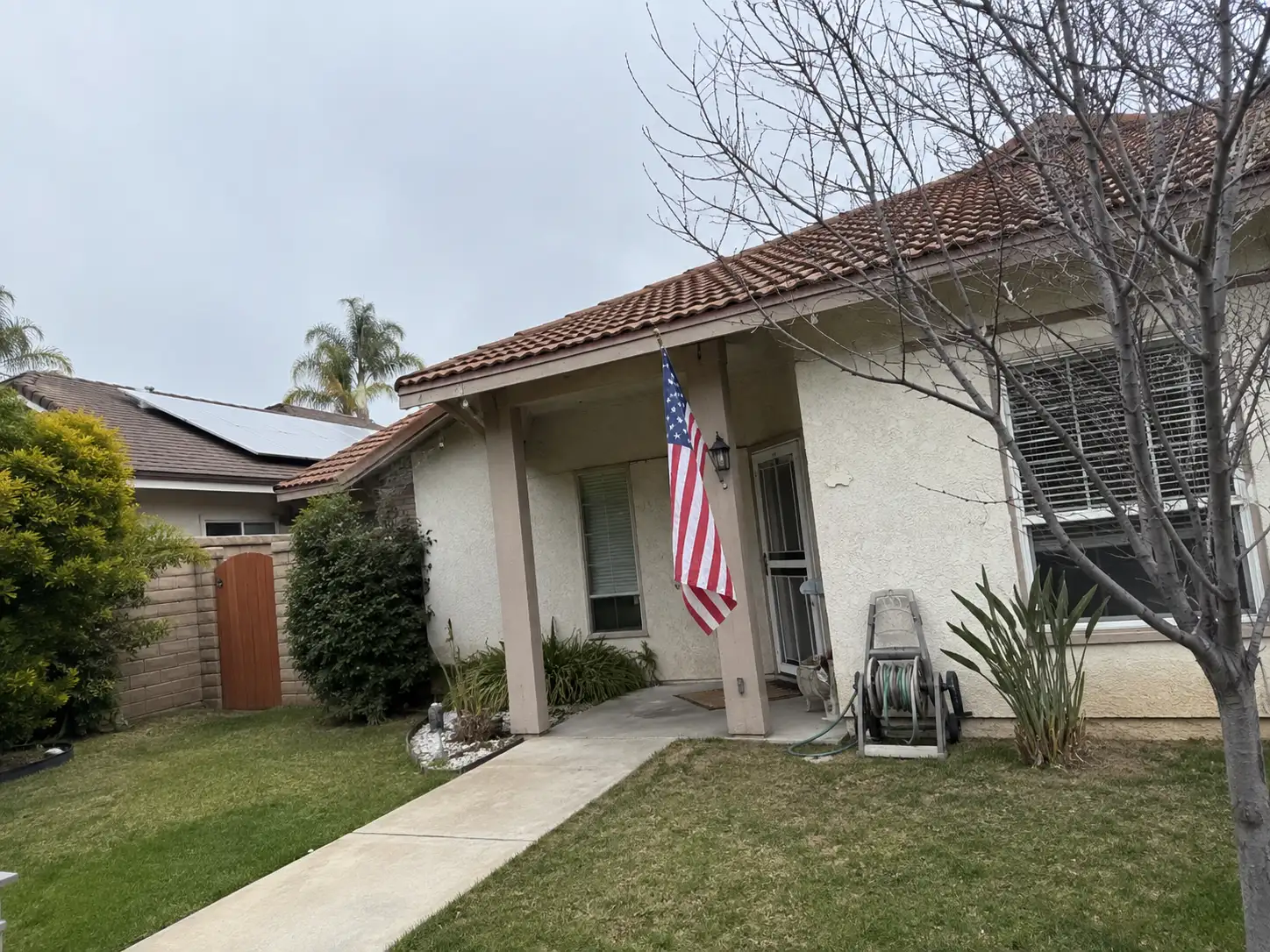
You are considering a Palm Desert home that already operates as a short-term rental, and the listing may make that permit sound like part of the property. It isn’t something you can simply rely on after buying. Under Palm Desert Municipal Code Section 5.10.060(D), a new owner who wants to continue short-term renting must apply for a new permit and pay the required application fee within thirty days after the change of ownership. The new permit must be obtained before the new owner continues renting the home.
This is general information and not legal advice.
Does the seller’s permit carry over to you?
No, the seller’s permit does not let you continue renting without obtaining a new permit in your own right.
The rule comes from Palm Desert Municipal Code Chapter 5.10, the city’s Short-Term Rental Ordinance. Section 5.10.060(D) gives the new owner thirty days from the ownership change to submit an application and the required fee if continued short-term rental is desired. It separately says the permit must be obtained before renting continues.
That distinction matters. Filing within thirty days is not permission to accept short stays while the application is pending. The code also does not say that a pending sale pauses the thirty-day period, or precisely describe the seller’s permit status between the ownership change and the buyer’s application. Check those points, the current application steps, and the latest code text with the city before relying on a closing or booking schedule. Other cities may take different approaches, as the rules for Dana Point permit transfers illustrate.
Can the property qualify for a new permit?
A new permit is possible only if the property, zone, unit type, and proposed operation qualify under the current ordinance.
Palm Desert has on-site and off-site permits. An on-site permit covers a rental where the host occupies the property for the entire rental period, and the applicant must show regular and continuous owner occupancy. An off-site permit covers a rental without that host presence.
The allowed zones differ. Off-site rentals are limited to RE, R-3, HPR and PR under stated conditions, DEO, DE, and D. On-site rentals may also be allowed in R-1M, R-1, and R-2. Apartments, accessory dwelling units, and junior accessory dwelling units are prohibited short-term rental unit types in every zone. An on-site rental also cannot be a unit with one bedroom or less.
An application cannot be issued or renewed if the property has unresolved city code compliance cases, outstanding city fines or fees, or city liens. The city may inspect before issuing a new or renewed permit, and it may deny an application if the applicant previously had a short-term rental permit suspended or revoked.
What should you verify before buying?
Verify the zone, unit type, permit type, city account status, and HOA restrictions before treating rental use as part of the purchase. Ask for the existing permit and identify whether it is on-site or off-site. An existing permit shows the seller’s current position, but it does not promise that the city will approve the buyer.
J. was considering a Palm Desert home that the seller had operated as a short-term rental. She assumed the existing permit and rental history would allow her to continue immediately after closing. We reviewed the city’s ownership-change requirements before she treated the seller’s past income as income she could automatically reproduce.
How do renewals and active use work?
A Palm Desert short-term rental permit must be renewed annually, and the unit must have been actively operating during the prior calendar year.
Failure to renew within thirty calendar days after the expiration date results in termination of the permit. Renewals are also subject to any changes made to Chapter 5.10 between the original approval and the renewal.
For renewal purposes, “actively operating” means rented and occupied for a total of more than eighteen days during the calendar year. A permit cannot be renewed if the unit did not meet that test in the prior year.
A buyer should review the permit’s expiration date and the property’s documented rental activity, while recognizing that the application after an ownership change is for a new permit. The city also reserves the right to change Chapter 5.10 at any time, including discontinuing permit issuance despite the effect on current or future permit holders.
What happens to off-site permits in the HPR zone?
Off-site short-term rental use in the HPR zone must permanently end by December 31, 2026.
Chapter 5.10 says the city will not issue a new off-site short-term rental permit in the HPR zone. Existing off-site HPR permits may be renewed if otherwise qualified, but every such permit must terminate, and the use must permanently cease, by that deadline.
A buyer should not treat an existing HPR off-site permit as a path to continued operation beyond December 31, 2026. The broader eligibility rules also address HPR and PR properties governed by a functioning homeowners association. Under the code’s stated condition, rentals may be allowed except when current CC&Rs and state law prohibit the owner from operating them.
What rules apply after a permit is issued?
A valid permit allows operation only while the owner and operator follow Chapter 5.10’s continuing rental rules.
A short-term rental under this chapter is a unit rented for twenty-seven consecutive nights or less. The minimum stay is three days and two nights. Maximum overnight occupancy cannot exceed two people per bedroom. Daytime guests are allowed from 7 a.m. to 10 p.m., with a maximum of twenty guests for a property with five bedrooms or more.
The host or operator must be available twenty-four hours a day and respond to complaints within thirty minutes. The permit number must appear in advertisements, and all parking must be on site.
The operator must also comply with the transient occupancy tax requirements in Chapter 3.28 and file a monthly return even for a month when the unit was not rented. Chapter 5.10 also calls for collection and remittance of Tourism Business Improvement District assessments as stated in the ordinance.
Can HOA rules stop the rental?
Yes, HOA or condominium association rules can prevent or restrict a rental even when city zoning would otherwise allow it.
Chapter 5.10 does not authorize an owner to violate private conditions, covenants, and restrictions. If a property belongs to a homeowners or condominium association, the rental must comply with that association’s rules.
Review the recorded documents, current rules, and seller disclosures rather than relying only on the city permit. The California HOA disclosure guide explains the broader document package a buyer may receive. The separate Indian Wells HOA and tennis-property exceptions also show why one city’s treatment should not be assumed to apply in another.
City approval and private permission are separate questions. Passing one test does not answer the other.
What is the “Know Your Neighborhood” statement?
The “Know Your Neighborhood” statement is a Palm Desert transfer disclosure that directs a prospective buyer to city information about potential development and short-term rental rules.
Under Chapter 5.11, a seller of specified residential property must provide a real estate transfer disclosure statement containing the city’s prescribed notice. It applies to residential property with one to four units, a condominium or planned-unit-development unit, and a qualifying mobile home. The statement is delivered with the Civil Code Section 1102.6 disclosures or as soon as practicable afterward.
The prescribed notice tells the buyer that Palm Desert maintains a website with information about potential development and recommends reviewing it when considering a home purchase. The form also directs the buyer to review the city’s short-term rental rules and short-term rental webpage.
The city’s own short-term rental page and this chapter should be checked for the current form, webpage and application instructions.
The short version
A Palm Desert buyer who wants to keep renting a home short-term must apply for a new permit within thirty days of the ownership change and have it before renting continues.
Approval is not automatic. Confirm the zone, unit type, permit category, HOA rules, unresolved city matters, renewal history, and active-use record. An off-site HPR rental faces a separate December 31, 2026 termination deadline. Operating without a valid permit carries a five thousand dollar fine for the first citation and every additional citation, and the city may refuse a new or renewed permit for the property or host.
Before assigning rental income or permit value to the purchase, confirm the current Chapter 5.10 text and application process with Palm Desert. For a separate estimate of the property’s residential value, use the home value tool.
Common questions
Can a buyer continue using the seller's Palm Desert short-term rental permit?
No. If continued short-term rental is desired, the new owner must apply within thirty days after the ownership change and obtain a new permit before continuing to rent.
Does applying within thirty days guarantee approval?
No. The property and proposed rental must qualify under Chapter 5.10, and a permit cannot be issued with certain unresolved city cases, charges, or liens.
Can Palm Desert issue a new off-site permit in the HPR zone?
No. Chapter 5.10 says no new off-site permit will be issued in the HPR zone, and existing qualifying permits must terminate by December 31, 2026.
How often must a Palm Desert short-term rental permit be renewed?
A permit must be renewed annually. Failure to renew within thirty calendar days after expiration results in termination of the permit.
What is the fine for operating without a valid permit?
Chapter 5.10 sets a five thousand dollar fine for the first citation and each additional citation.
