



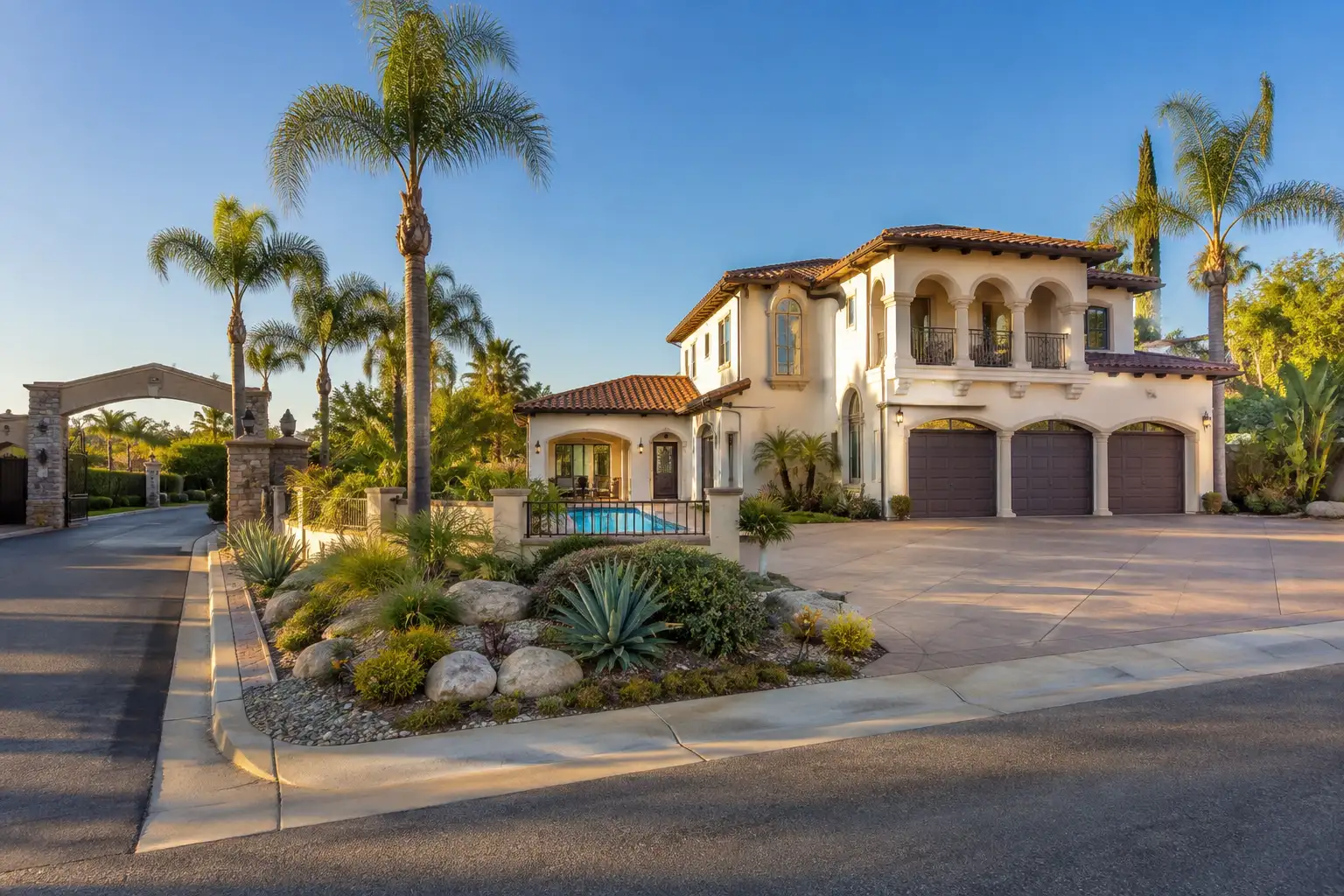
If you own or are buying an older home in Paramount, the proposed historic preservation ordinance isn’t an adopted rule for your property. The discussion draft calls for owner consent to designation, and appearing in the city’s survey isn’t the same as being designated.
This is general information and not legal advice.
As of October 21, 2026, Paramount has not adopted a historic preservation ordinance. The City Council reviewed a discussion draft on September 22, 2026 and directed staff to start outreach before an ordinance is written.
Where does the proposal stand?
Paramount is at the discussion and outreach stage, with no adopted historic preservation ordinance or local designation program.
The September 22 agenda report described concepts for a possible ordinance. The meeting minutes record what happened next: after a presentation and brief discussion, the Council received and filed the report and directed staff to launch outreach before crafting an ordinance. You can find the report under September 22, item 8, and the minutes attached to October 13, item 3, through the City Council agenda portal.
That distinction matters if you’re planning work or considering a purchase. The draft gives you something concrete to ask about, but its proposed requirements could change. The city’s reports do not give an adoption date or an ordinance hearing date.
What did the historic resources survey find?
The Historic Resources Survey identified 106 individual properties that appear eligible for local historic designation if the Council adopts an ordinance.
That is the number in the September agenda report. The Council considered the citywide Historic Context Statement and survey on March 11, 2025. The survey finding describes potential eligibility; it does not designate those properties.
The Historic Context Statement page explains that designation is a separate outreach process involving Council review and public participation. It also says the context statement isn’t intended to be a comprehensive history.
The page posts the April 2025 statement and a March 2026 update covering 1970 to 1999. Those documents provide historical context. For your own address, the practical question is whether the survey identified the property as potentially eligible. You can ask the Planning and Building Department without assuming the answer from the home’s age alone.
What would the discussion draft include?
The discussion draft includes designation criteria, a minimum property age, owner consent, a designation requirement for incentives, and a threshold for project review.
Under those concepts, a building or property would need to be at least 50 years old to be considered for local landmark designation. Reaching that age would make consideration possible; it would not itself designate the home.
Owner consent would also be required. That is part of the draft, not a promise about the wording of any eventual ordinance.
The incentives language adds another condition: an eligible property would have to receive local landmark designation to benefit from incentives. Eligibility alone would not be enough. The report does not identify particular incentives, so there’s no basis here to attach a specific financial benefit to a home.
For now, read these provisions together as proposed conditions for a possible program.
What work would not need preservation review?
The discussion draft says interior improvements such as plumbing, electrical, and air conditioning would not require preservation review, while paint or stucco color would generally not require it.
The word “generally” matters. The report does not give an unconditional exemption for every paint or stucco color project.
These examples describe the proposed minimum threshold for historic preservation review. They don’t establish an adopted review process, and they don’t answer every question about work on an older property.
Say an owner of an older Paramount home plans to replace plumbing and change the stucco color. The owner brings that description to Planning and Building and asks how the discussion draft would treat the work. Under the proposed concepts, the interior plumbing improvements would not require preservation review, and the stucco color change would generally not require it. Because Paramount has not adopted the ordinance, the owner asks what remains undecided and follows the outreach materials for changes to those proposed thresholds.
If you’re considering a project, describe the actual work when you contact Planning and Building. Ask how the proposed threshold would address it and what remains undecided. Keep a draft preservation concept separate from any other questions you have about the project.
What happens next?
Outreach is the next step directed by the Council, before staff writes regulations in standard ordinance form.
The September report described outreach with the Historical Society, owners of potentially eligible properties, visitors of the upcoming Paramount Museum, and the general public. The minutes confirm that staff received direction to begin that portion of the work.
Additional services from the city’s consultant, Historic Resources Group, were on the October 13 agenda under item 12. The proposed first amendment was for an amount not to exceed $70,000. Its scope included up to 30 additional oral history interviews, community outreach, Council presentations, and ordinance revisions.
The minutes for the October 13 meeting were not yet posted on October 21, 2026, so the outcome of item 12 is not confirmed here. The agenda item therefore establishes a request for approval, not confirmation that approval occurred.
Watch the agenda portal and planning notices for outreach opportunities and any ordinance hearing. Those are the places to check for the next proposal and opportunities to comment.
What can a buyer check now?
A buyer can ask Planning and Building whether the home appears among the properties the survey found potentially eligible for designation.
Start with the address and a direct question about survey status. Then ask what outreach or ordinance materials are available. If designation or incentives come up during a sale, keep the home’s survey status separate from the draft concepts and any future Council action.
The department’s contact details are on the Historic Context Statement page: City Hall, 16400 Colorado Avenue, Paramount, CA 90723, at (562) 220-2036.
For other questions about an older home’s paperwork, the California seller disclosure guide and lead paint disclosure guide provide separate reading. Neither substitutes for checking this property’s status with the department.
What can an owner planning work or a sale do now?
An owner can check survey status, ask about the proposed treatment of planned work, and follow the outreach process.
If you’re thinking about remodeling, bring a clear description of the project to Planning and Building. The draft names some interior improvements and color changes, but it doesn’t settle every project question. Ask which parts of your proposal the discussion draft addresses and which it leaves open.
For a sale, keep the distinction between potential eligibility and designation clear in your own records and conversations. The city’s reports do not address disclosure, value, insurance or loans, so raise any disclosure question with your agent or an attorney.
Questions about past alterations are a separate subject. The guide to unpermitted work disclosure in California can help you frame those questions without treating a survey finding as an answer.
The short version
Paramount’s historic preservation proposal is still a discussion draft, and a survey listing is not a local landmark designation.
The draft calls for owner consent, a minimum age of 50 years, actual designation before incentives, and a threshold for reviewing projects. Those concepts could change during outreach and ordinance development.
Your next step is concrete: check the address with Planning and Building, then follow the Council materials for updates.
If you’re preparing to sell, start your pricing questions with the home value tool.
Common questions
Has Paramount adopted a historic preservation ordinance?
No. As of October 21, 2026, the City Council had reviewed a discussion draft and directed staff to begin outreach before writing an ordinance.
Does appearing in the historic resources survey mean a home is designated?
No. The survey identified properties that appear eligible for local designation if an ordinance is adopted. A survey listing is not a historic designation.
Would an owner have to consent to designation?
Owner consent is part of the discussion draft. It is a proposed concept, not an adopted rule, and could change.
Would interior work need historic preservation review?
The discussion draft says interior improvements such as plumbing, electrical, and air conditioning would not require preservation review. Paint or stucco color would generally not require review.
