



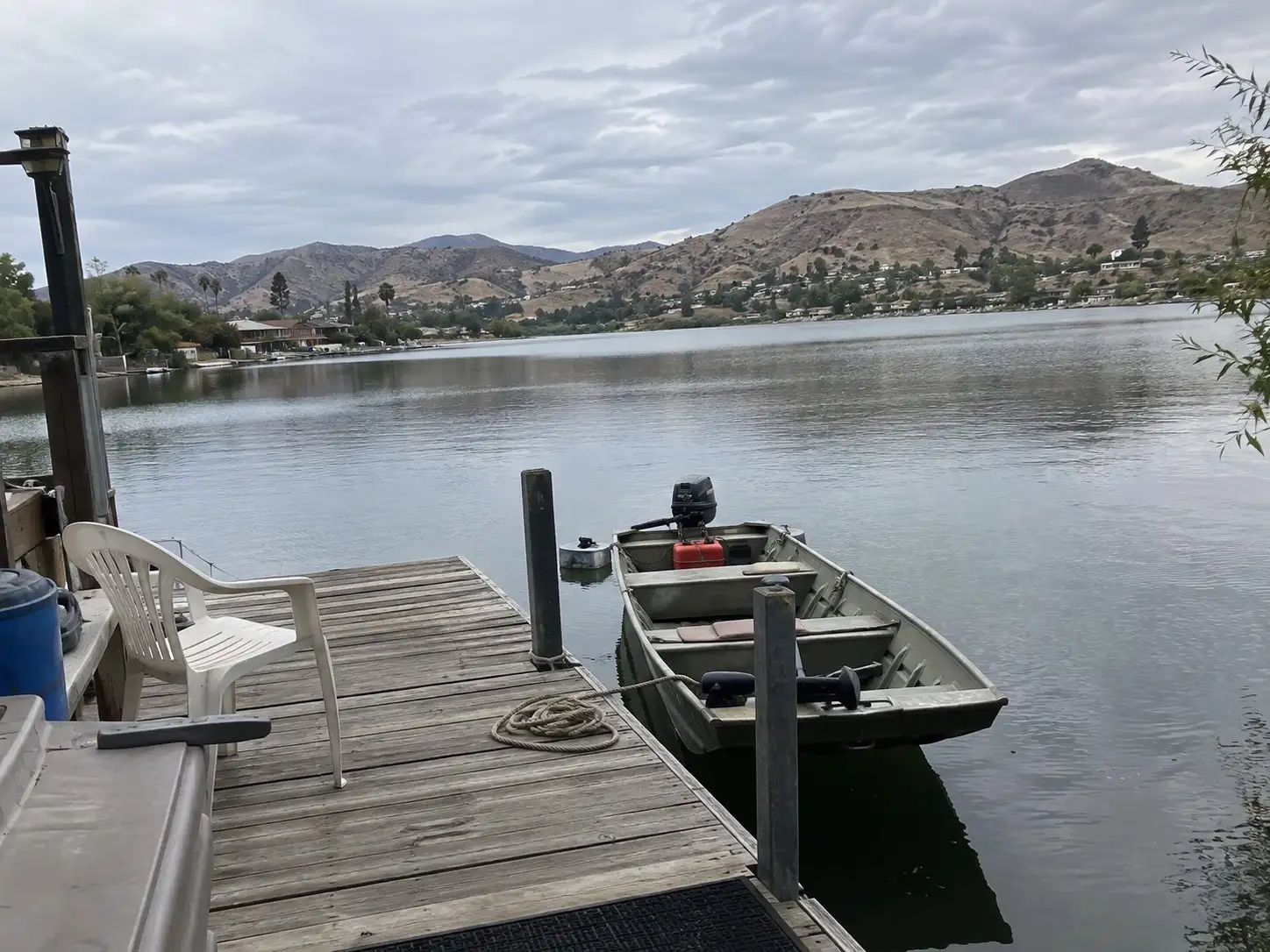
Buy a house in Canyon Lake and you are buying into two governments at once. One is the actual City of Canyon Lake. The other, and the one that runs almost everything you will notice day to day, is the Canyon Lake Property Owners Association. Knowing what each one does, and what the POA specifically owes you before you close, saves you from finding it out the hard way in escrow.
What the Canyon Lake POA actually is
The POA is a private, mutual benefit, not for profit corporation organized under California’s Corporations Code, not a branch of city government. Its own site is direct about the distinction: the City of Canyon Lake is a municipality with an elected council, and the POA is a separate entity that governs the community through its own Articles of Incorporation, CC&Rs, bylaws and rules. The city was incorporated on December 1, 1990, but the gated community and its association predate that, and the two have run in parallel ever since. When you buy here, you answer to both, for different things.
What the POA controls
The short answer is almost everything that makes Canyon Lake feel like Canyon Lake. The association manages the three guarded entry gates, the lake itself and its parks and beaches, the marina and boat launch operations, and community amenities that include a golf course, pool, campground, tennis and pickleball courts and ball fields, along with the Lodge and Country Club dining. It also runs a community patrol and a marine patrol on the lake. None of that is optional scenery. It is infrastructure the association owns, staffs and pays for through member assessments, and it is why the CC&Rs and rules matter more here than in a typical non-gated subdivision.
Who owns the lake, and what the POA leases
The lake is not the association’s property. The Elsinore Valley Municipal Water District owns and operates the reservoir, created by the Railroad Canyon Dam, which was completed in 1929. It is a working reservoir, not just a recreation lake. The POA leases the surface rights from EVMWD and manages recreational use, boating, fishing, swimming and the beaches, for its members. There has also been litigation between the two over shoreline boundaries and encroachment rules, separate from the underlying lease itself. If your prospective home fronts the shoreline, ask directly whether it is subject to a separate license or encroachment agreement with EVMWD and the POA, since lakefront lots can carry obligations a non-lakefront lot does not.
The city and the POA are not the same thing
This trips up buyers moving from a non-gated area more than anything else on this list. Calling the city about a gate problem, or calling the POA about a municipal permit, sends you to the wrong office. City services, like permitting for a room addition or a pool, go through the City of Canyon Lake. Gate access, lake use, boat registration, community rules enforcement and assessments go through the POA. Your escrow packet will have documents from both, and it is worth sorting which is which before you are trying to figure it out under a contingency deadline.
The documents the law requires before you close
Buying in a common interest development in California means the seller owes you a specific packet under Civil Code section 4525, and that packet is not optional paperwork the agent decides to include. It has to include the governing documents, including the CC&Rs, bylaws and any age restriction statement that applies, the association’s most recent financial report, a written statement from the association covering current assessments and any unpaid fees or collection costs tied to the property, a copy or summary of any unresolved violation notices, notice of any approved but not yet due assessment increase, and board meeting minutes from the prior twelve months if you ask for them. Read this packet before your contingency period runs out, not after. It tells you what the POA actually costs to belong to and whether anything is pending that would change that cost. What HOA documents do I have to give a buyer in California covers the statewide version of this requirement in more depth, and it applies to Canyon Lake the same way it applies anywhere else in the state.
Your right to see the association’s records
The section 4525 packet is what the seller has to hand you before closing. It is not the same thing as your own right, once you are an owner, to inspect the association’s broader records. A separate part of the Davis-Stirling Act, Civil Code section 5200 and the sections around it, defines what counts as an association record for this purpose, financial statements, contracts, tax filings, reserve account records, meeting agendas and minutes, and more. If something in the pre-sale disclosure packet raises a question, that records right is the tool you have as a member to dig further after you own, not before. Ask your agent or a real estate attorney how to use it if you need to.
Gate access and boat rules as a new owner
Closing on the house does not automatically get you through the gate. New owners bring a recorded grant deed and vehicle registration to the POA’s Member Services office to set up access credentials, and each property receives a set number of complimentary vehicle decals, with additional access options like an RFID transponder available for a fee. If you plan to keep a boat on the lake, know that watercraft, including boats kept at a private dock, need a current POA decal, and registration for it opens on a set date each year rather than being available whenever you get around to it. None of this is complicated, but it is easy to assume it happens automatically when it does not, and a buyer who plans for it before closing avoids a gap where they own the house but cannot get through the gate or onto the water yet.
What to verify before you remove contingencies
Beyond the required document packet, ask the seller or the POA directly for the current annual assessment amount and whether it is set to change, whether the property has any open violation or unresolved enforcement matter, and if the lot touches the shoreline, whether it carries a separate encroachment or license arrangement with EVMWD. Natural Hazard Disclosure reports also matter here specifically, since one of the six statutory hazard zones covered on that report is an area of potential flooding from dam failure, which is directly relevant to any property near a reservoir held behind a dam. And because the seller’s overall disclosure duty goes beyond the HOA packet, what a California seller has to disclose is worth reading alongside this one so you know the full picture of what you are entitled to see before you close.
The short version
The Canyon Lake POA, not the city, runs the gates, the lake, the beaches and the marina, and belonging to it is not optional once you own here. The lake itself belongs to EVMWD, which leases the surface to the association for recreational use. Before you close, the seller owes you a specific document packet under state law, and reading it, not skimming it, is how you find out what the community actually costs and whether anything is pending that would change that.
If you are weighing a Canyon Lake purchase against other options in the area, the home value tool is a good place to start comparing what your budget actually buys.
Common questions
What is the Canyon Lake POA?
A mutual benefit, not for profit corporation, organized under California's Corporations Code, that governs the gated community around Canyon Lake. It is a private association, separate from the City of Canyon Lake, which is the actual municipality with its own elected council.
Does the Canyon Lake POA own the lake?
No. The Elsinore Valley Municipal Water District owns and operates the reservoir, created by the Railroad Canyon Dam. The POA leases the surface rights from EVMWD and manages recreational use of the lake for its members.
What documents does a Canyon Lake seller have to give me before closing?
Under Civil Code section 4525, a seller in a common interest development has to provide the governing documents, a current financial statement, a written statement of assessments and any unpaid amounts, notice of pending or approved assessment increases, and recent board meeting minutes if you request them, among other items.
Can I look at the association's own records before I buy?
The pre-sale document list under section 4525 is what the seller owes you directly. A separate part of the Davis-Stirling Act, Civil Code sections 5200 and following, defines the broader set of association records a member can request to inspect once you own in the community.
Is Canyon Lake POA membership mandatory?
Every owner of real property in the community is a member of the association by virtue of owning the property, and the annual assessment is not optional. Confirm the current assessment amount with the POA or in your purchase documents, since it is set annually and changes.
