



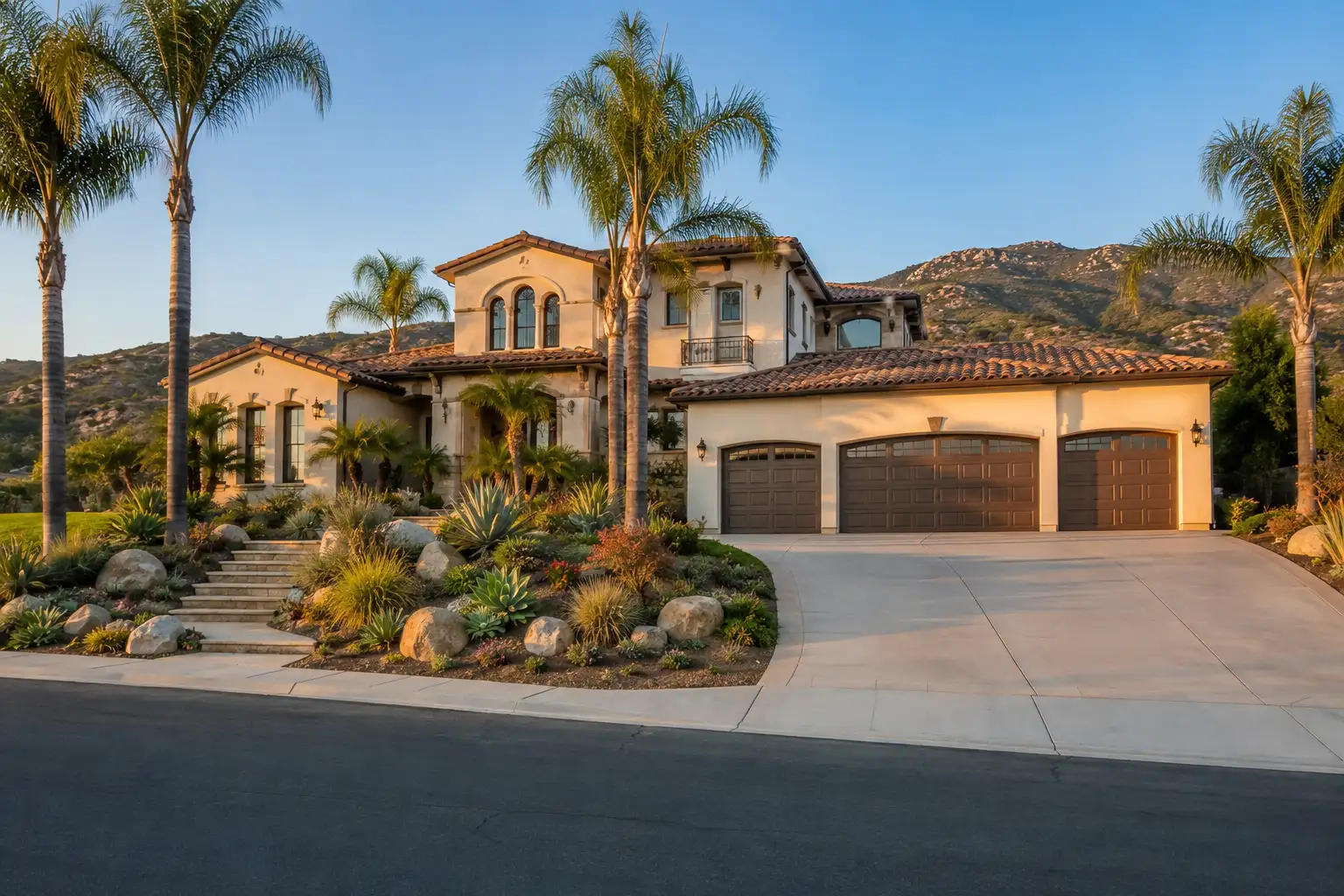
A large Compton lot might have room for a house, animals and agricultural uses. But what can you actually keep or build there? If the parcel is zoned Residential Agriculture, or R-A, the code permits one-family dwellings and specified animals and agricultural uses, with limits on animal numbers, placement and development.
The rules below are from Compton Municipal Code Chapter 30 as published on the city’s online code when checked on October 27, 2026. Confirm a parcel’s zone with the Planning Division before relying on them.
This guide is educational, not legal or tax advice.
What does the R-A designation mean?
R-A is the City of Compton’s Residential Agriculture Zone, established for large one-family homesites in a limited agricultural environment.
That purpose appears in CMC 30-7.1. The detailed rules follow in CMC 30-7.2 through 30-7.5. You can also reach the code through the “City Municipal Codes” page on the city website.
Start with the parcel’s zone. Compton also has R-L, R-M and R-H residential zones; the animal permissions discussed here belong to R-A.
The permitted uses extend beyond animals. They include private and commercial field crops, orchards, horticultural nurseries and similar agricultural uses, along with home occupations and swimming pools for private use only.
How many animals can you keep?
CMC 30-7.2 sets separate limits for different animals, including a parcel-area formula for horses, bulls and cows.
The code permits “One horse, bull or cow for each 2,500 square feet of parcel area, not to exceed a total of five, for the use of the family occupying the property”. That is a combined limit, not five of each.
Other listed permissions include:
- Five sheep and/or five goats, with not more than five of each per family.
- Aviary, poultry and rabbits for private use only, with not more than six roosters.
- Three adult dogs and three adult cats, their litters up to four months of age, and three other household pets.
Chinchilla ranches are also listed. Worm farms have a separate limit of 19 beds, each four feet by eight feet, or an equivalent area per parcel.
For a comparison with another city’s horse-property rules, see the Norco horse-property guide. Use Compton’s code for a Compton R-A parcel.
Where can animals be kept on the lot?
Animals must meet the building and property-line distances in CMC 30-7.3, even when their numbers fit the permitted limits.
Horses, cows, goats and sheep must be at least 50 feet from residential and commercial buildings and 10 feet from property lines. Birds, fowl, poultry, chinchillas and rabbits must be at least 35 feet from residential and commercial buildings and 10 feet from property lines.
Lot area alone doesn’t answer the placement question. Ask the Planning Division how those distances apply to the parcel’s layout.
The size of the Compton lot was what attracted B. He pictured a large garden, space for equipment, and possibly another structure later. The R-A zoning label seemed to support all of that until we started separating uses that might be allowed from construction that would still require permits, setbacks, or other approvals. He made a list of everything he hoped to keep or build and decided to check each item individually. The large lot created possibilities, but the zoning abbreviation alone did not settle them.
Which agricultural uses are prohibited?
CMC 30-7.2c prohibits several agricultural uses, including hogs, dairies, slaughterhouses, wild animals, roadside sales stands and apiaries.
The list also prohibits fox and monkey farms and horse and mink ranches. For horses, it prohibits maintenance except for the primary use of members of a family residing on the premises. Don’t read the horse allowance separately from that restriction.
CMC 30-7.2d states: “A violation of this Code subsection is a misdemeanor.” It also provides for confiscation and disposal of animals exceeding the permitted numbers. The owner pays the costs of confiscation, housing and feeding before disposal.
If your intended use doesn’t clearly match a listed permission, ask Planning how the code treats it.
What can you build on an R-A parcel?
CMC 30-7.4 sets minimum parcel dimensions, dwelling sizes and other development standards for R-A property.
The lot minimum is 10,000 square feet, with at least 60 feet of street frontage and 150 feet of depth, subject to exceptions in 30-20.2. Minimum lot area per dwelling unit is also 10,000 square feet.
More than one one-family dwelling is allowed only where each dwelling’s area meets the lot area, width and depth minimums, could be legally divided from the original subdivision, and conforms to that subdivision’s density, lot design and street orientation.
Each dwelling unit has a gross floor area range of 1,200 to 3,500 square feet and two to five bedrooms. Maximum building height is 35 feet, subject to exceptions in 30-20.4. These provisions don’t establish the legal status of an existing house that differs from them.
Secondary dwelling units are separately listed as permitted, subject to 30-11.2. Ask Planning how that subsection applies before relying on a plan; the ADU guide is another related resource.
What yard and accessory-building limits apply?
R-A buildings have specific yard limits, and accessory structures have their own area restriction.
The front and rear yards are generally at least 20 feet. Interior side yards are at least three feet, street side yards at least five feet, and side yards for buildings of two or more stories at least five feet.
For a lot 90 feet deep or less, the rear yard may be one fifth of its depth, but no less than 10 feet. Detached one-story accessory structures and attached unenclosed patio covers may occupy no more than half of a required rear yard.
Permitted non-habitable accessory buildings include private garages, hobby shops, laundry rooms and buildings, including an office, necessary for permitted agricultural uses. Their combined area may be no greater than twice the area required for off-street parking.
Section 30-44 governs fences and walls. Ask Planning how it applies to a proposed enclosure.
What happens if an animal rule changes?
CMC 30-7.5 gives an owner 30 days from adoption to remove an animal or bird when a zoning amendment restricts or prohibits one previously permitted.
Within those 30 days, the owner may apply to the Planning Commission for more time through the conditional use permit process in Section 30-26. No fee is charged for processing that request.
That provision concerns a zoning amendment. It’s separate from the current limits on animal numbers and placement.
If you’re selling, Compton’s separate residential building records report is a different requirement from these zoning rules.
The short version
A confirmed Compton R-A parcel permits specified homes, animals and agricultural uses within detailed limits.
Check animal numbers and placement together. For building plans, bring the parcel dimensions and proposed use to the Planning Division and ask which code provisions apply.
If you’re also considering the property’s value, use the home value tool.
Common questions
How many horses does Compton's R-A zone allow?
CMC 30-7.2 allows one horse, bull or cow for each 2,500 square feet of parcel area, up to five total, for the use of the family occupying the property.
How far do animals need to be from buildings and property lines?
Horses, cows, goats and sheep must be at least 50 feet from residential and commercial buildings and 10 feet from property lines. Birds, fowl, poultry, chinchillas and rabbits must be at least 35 feet from those buildings and 10 feet from property lines.
Are secondary dwelling units permitted in the R-A zone?
CMC 30-7.2 lists secondary dwelling units as a permitted use subject to subsection 30-11.2. Ask the Planning Division how that subsection applies to your parcel.
Does a large lot establish that a property is zoned R-A?
Readers should confirm a parcel's zone with the Planning Division before relying on the R-A rules.
