



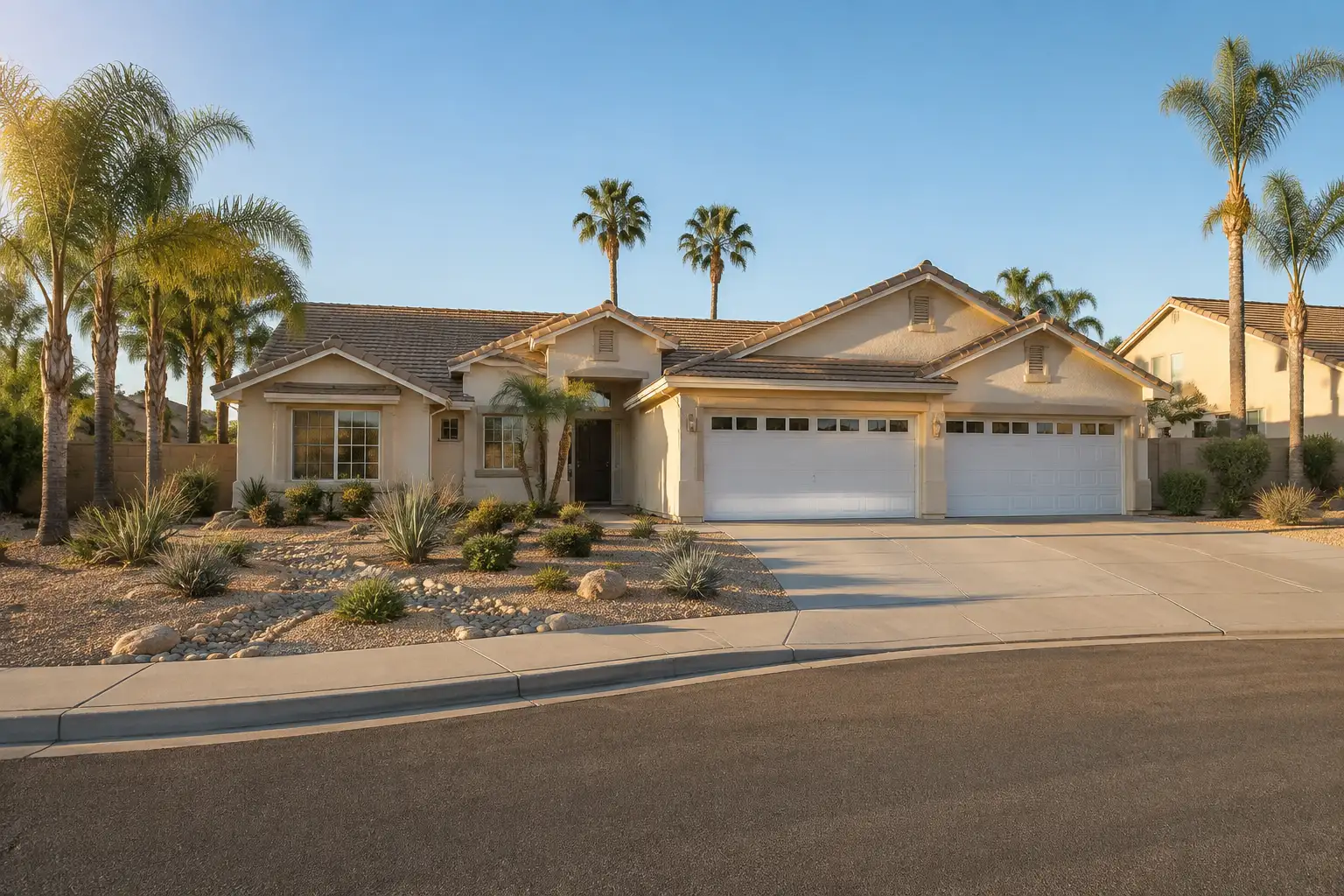
Your Lomita residential building is empty between tenants, listed for sale or undergoing permitted work. The owner of record must register within 30 days of vacancy, and the owner must not permit the building to stay vacant for more than 30 days unless an exception applies.
Those requirements come from the City of Lomita Municipal Code Title III, Chapter 18, “Vacant Building and Abandoned Property.” This is general information and not legal advice. The chapter defines property as property zoned or used for residential purposes.
As of November 6, 2026, the Municode edition of the Lomita code that the city’s website links to was codified through Ordinance No. 892, enacted June 16, 2026, and included Chapter 18 from Ordinance No. 877, adopted December 2, 2025. The online Lomita Municipal Code warns that it may not reflect the most current legislation adopted, so owners should confirm the current form, fee resolution and filing process with the city.
What happens after a building has been vacant for 30 days?
An owner cannot permit a building to remain vacant for more than 30 days unless one of the two exceptions in section 3-18.05 applies.
The first exception covers a building with an active building permit for repair or rehabilitation when the owner is progressing diligently to complete the work. Having a permit is only part of the stated rule. The code also calls for diligent progress.
The second exception applies when the building complies with all codes, does not contribute to blight, is ready for occupancy and is actively offered by the owner for sale, lease or rent. It must also be maintained and monitored under section 3-18.03.
The code does not say that brief occupancy resets the 30-day period. It also does not explain how vacancy is counted when an owner occupies a building part-time. Ask the City of Lomita how it would treat that situation before relying on a particular count.
What does Lomita consider a vacant building?
A vacant building is any building unoccupied by any person or occupied by an unauthorized person for any amount of time.
Chapter 18 separately defines evidence of abandonment or vacancy. Its examples include overgrown or dead vegetation, accumulated newspapers or mail, past-due utility notices, disconnected utilities, trash or debris, and the absence of window coverings. The list also refers to a lack of furnishings or personal items consistent with residential habitation.
“Abandoned” has a narrower definition tied to specified foreclosure circumstances. It covers vacant property under a current notice of default or notice of trustee’s sale. It can also cover property that has been through a foreclosure, trustee sale or deed in lieu when title was retained by the beneficiary.
A vacant building is not automatically an abandoned property under that definition. Nor does the chapter say that every vacant listed home is automatically a public nuisance.
When is vacant-property registration due?
The owner of record must register the property within 30 days of vacancy using the city’s vacant building and/or abandoned property registration application.
The form is made available by the city and filed with the city manager or another department assigned to vacant-property registration. The city manager may grant a reasonable extension for good cause. Chapter 18 does not describe how to request that extension.
A different deadline applies when property is under foreclosure or a recorded notice of default. The beneficiary or its agent must register the vacancy within 10 days of that recording.
Registration is not a one-time filing while the property remains covered. The owner, beneficiary or agent must renew it annually on city-provided forms. For filing instructions, contact the City of Lomita at (310) 325-7110, as printed in the code and on the city’s website.
Does listing a vacant property create an exception?
A listing can support an exception, but the building must satisfy every condition stated in the sale, lease or rental exception.
The property must be actively offered for sale, lease or rent. It must also comply with all codes, not contribute to blight, be ready for occupancy, and receive the required maintenance and monitoring. The code does not treat the presence of a listing by itself as enough.
Permitted remodeling has its own exception. Owners planning construction should keep the active-permit and diligent-progress language in mind. Insider also covers Lomita’s construction debris hauling permit and deposit.
J. was preparing to sell an empty Lomita property and thought the city’s vacant-building rule applied only to abandoned structures. Once the building had remained unoccupied for 30 days, registration and maintenance requirements became part of the conversation. We reviewed what he needed to do while the property stayed vacant and listed for sale.
What maintenance and posting can the city require?
The city manager may order an owner in writing to meet the maintenance, monitoring and posting standards listed in Chapter 18.
Those orders may require care of landscaping, the building exterior and signage, along with regular removal of exterior trash and debris. An owner may also be directed to keep the property in continuing compliance with applicable codes, promptly remove exterior graffiti and take reasonable steps to prevent criminal activity on the parcel.
The city manager may require a notice in a conspicuous place at the front of the building identifying the owner and, when applicable, the owner’s agent. It must include their addresses and telephone numbers, plus a 24-hour contact number for any local property management company.
The notice must be at least 18 inches by 24 inches and legible from 45 feet. It must state, “THIS PROPERTY IS MANAGED BY [insert name of owner or manager],” and provide a number for reporting problems or concerns, along with the City of Lomita number.
The notice first goes inside a window visible from the street. If no window is visible, it goes on the building exterior. If neither location works, it must be placed somewhere not readily accessible to vandals. Exterior notices require weather-resistant materials.
When are boarding and local management required?
Boarding is required when doors and windows cannot be closed and locked to secure a vacant building against unauthorized intrusion.
The owner must maintain and monitor required boarding. Residential boarding must follow the city’s “Board-Up Specifications for Property Owner.” Because that exhibit was not reviewed for this guide, owners should obtain it directly from the city before boarding a building.
The city may board a property after an abatement action. The owner is responsible for the boarding cost, and the property may be subject to an abatement lien for that cost.
For abandoned properties, Chapter 18 also imposes a local-management rule when the property is owned by a corporation or the beneficiary, trustee or owner is out of the area. The contracted company must have a physical office and responsible personnel within 50 miles of Lomita, respond within 24 hours, and maintain a 24-hour emergency number. It must perform weekly inspections and be able to confirm in writing that inspections occurred at least once per week.
Insider also has a guide to Stanton’s vacant property registration ordinance.
What fees and enforcement measures can apply?
Chapter 18 provides for monitoring and enforcement response fees, but it does not state their dollar amounts.
A monthly monitoring fee applies when a vacant building or abandoned property has been declared a public nuisance. It begins with the initial nuisance determination and applies during each 30-day period for every month, or part of a month, that the property remains a public nuisance. The chapter does not explain how the city makes that determination.
An owner must also pay an enforcement response fee for the city’s initial response to a vacant building and for each subsequent response. Chapter 18 says its fees and charges are set by City Council resolution. Owners should request the current fee resolution rather than assume an amount.
Violations may be enforced through methods authorized by Chapter 5 of Title I. The city manager can also require added measures, including securing openings, adding security lighting, increasing inspection frequency or employing an on-site security guard. The city may apply to Superior Court for a receiver.
The short version
Lomita gives owners two paths for keeping a residential building vacant beyond 30 days: diligent work under an active repair or rehabilitation permit, or active sale, lease or rental while the building is code-compliant, ready for occupancy, maintained and monitored. Registration is due within 30 days of vacancy and must be renewed annually.
Confirm the city’s current form, fee resolution and treatment of any uncertain vacancy date with the City of Lomita at (310) 325-7110.
If a sale is part of the plan, start by checking the home value tool.
Common questions
When must a vacant residential property be registered in Lomita?
The owner of record must register the property within 30 days of vacancy and renew the registration annually.
Can a Lomita building remain vacant while listed for sale?
The exception can apply when the building complies with all codes, does not contribute to blight, is ready for occupancy, is actively offered for sale, lease or rent, and is maintained and monitored as required.
Does an active building permit create an exception?
Yes. A building may remain vacant for more than 30 days when it is covered by an active permit for repair or rehabilitation and the owner is progressing diligently.
Does Lomita publish a fixed vacant-property fee in Chapter 18?
Chapter 18 says fees and charges are set by City Council resolution. The code also describes monitoring and enforcement response fees, but the dollar amounts are not stated there.
