



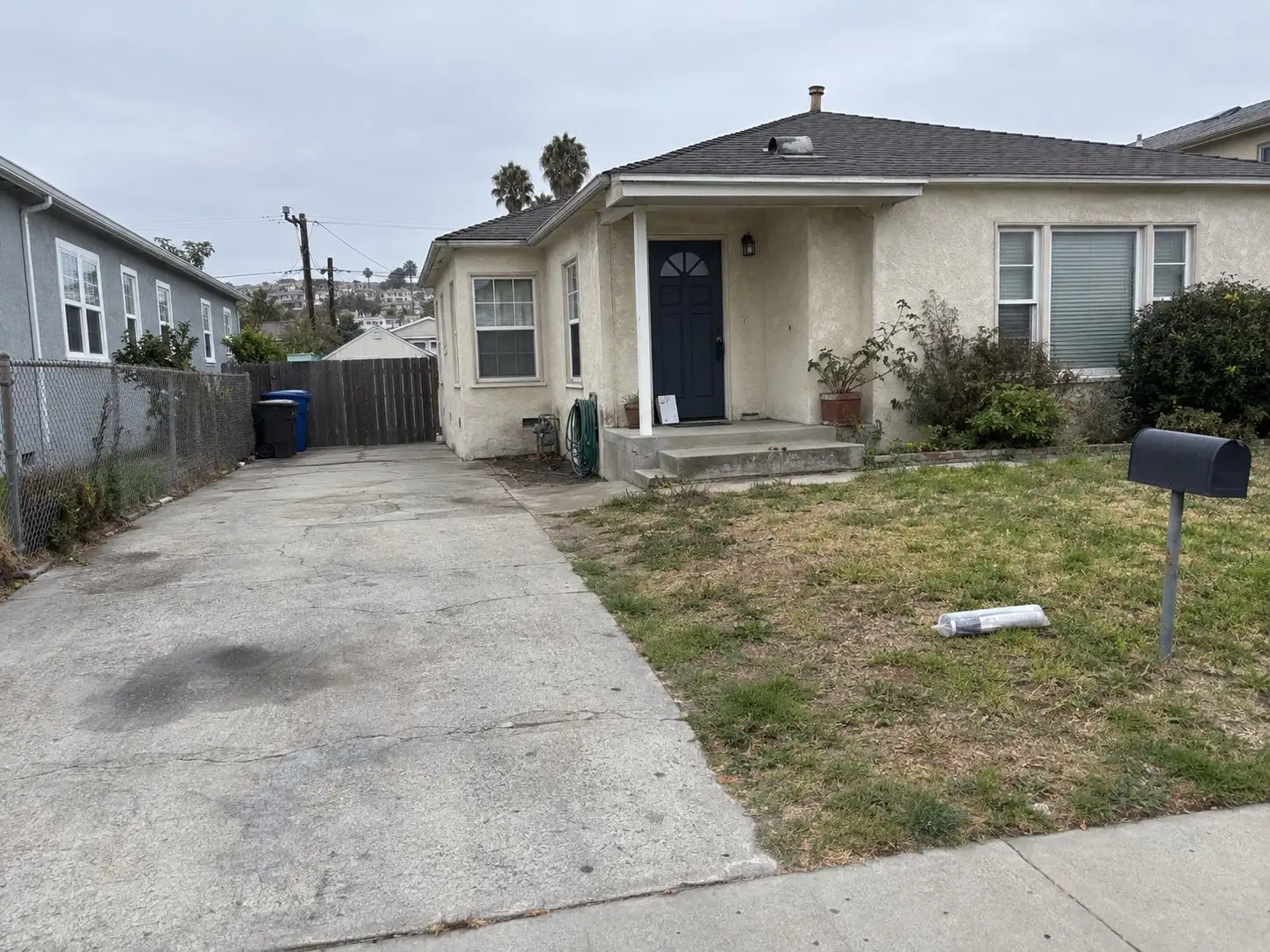
Selling a house in Redondo Beach comes with a step set by the City, not the state. The City requires a report of its own records on the property, and the seller is the one who has to get it.
This page explains what that report is, what it covers and, just as important, what it does not. It is written for a seller trying to plan the timeline. It is not legal advice, and the City’s own pages and your escrow officer have the final word.
What is the Report of Residential Building Records?
It is a City-issued summary of what Redondo Beach has on file about a residential property, prepared before a sale. The City’s Building and Safety page describes it as a residential building report required for the sale of residential properties in Redondo Beach, and it cites the municipal code section for it as 9.10.03.
The stated purpose in the code is to make sure the person buying a home is given a report of the matters of City record about its authorized use, occupancy and zoning before the sale or exchange happens. In plain terms, the buyer should not find out after closing that the “duplex” was only ever approved as a single-family home.
When does it have to be ordered and delivered?
The owner has to obtain it before entering into a sale agreement, and it has to reach the buyer before the sale closes. Those are the two clocks to plan around.
The code language, as quoted in public search results of the City’s code on ecode360, says the owner or the owner’s authorized representative obtains the report before entering into an agreement, and that the owner or representative then delivers it to the buyer before the sale or exchange is completed. The buyer signs a receipt furnished by the City, and that receipt goes back to the Community Development Department as evidence that the rule was followed.
One caution. The full text of the chapter was not available to verify for this article, so the summary above comes from quoted code language. An older version of the City’s application form, circulated by escrow companies, adds that the report is valid for a period not to exceed six months from issuance and asks for the signed buyer copy back well ahead of closing. Treat those details as things to confirm with the City, not as settled current rules.
The practical takeaway is simple. Order it when you decide to sell, not when you are in escrow, because the turnaround times below can eat into a short escrow.
What does the report contain?
It lists what the City’s records show for the property. Based on the older City form, that means the address and parcel details, the current zoning, the authorized use, the occupancy, a list of permits issued with their numbers, dates and purposes, and any variances or conditional use permits of record.
For a typical house, the authorized use and occupancy read something like a single-family residence with one dwelling. For a property with a rear unit or a converted garage, this is the section a buyer’s agent reads twice.
The current City page does not spell out the exact contents, so the layout of a report issued today may differ from the older form. If you want to know what yours will say before you order, the Building and Safety counter at 310-318-0636 can tell you.
What does the report not do?
It is not an inspection of the physical house. Nobody from the City walks through your kitchen or climbs into your attic to prepare it.
The older City form says this directly. It states that the information pertains only to matters in the official records of the Building Department, that it does not necessarily reveal all restrictions, and that the report does not guarantee the condition of any existing structure. It also says errors or omissions in the report do not stop the City from enforcing its building and zoning codes.
That last point matters to a seller. A clean report does not certify that everything in the house was built legally. It only says the paper record looks a certain way. A patio enclosure that was never permitted will not appear in a permit list, and the list will look tidy right up until someone compares it to the house.
If you want an eyes-on look at the physical condition, that is what a pre-listing inspection is for. Zarko Maletin, the Realtor behind this site, is also an InterNACHI certified home inspector, and the two documents answer different questions. The city report asks what the City has on record. An inspection asks what is actually there.
What does it cost and how long does it take?
On the City’s residential building reports page today, a standard report is listed at 157 dollars with a turnaround of 7 to 10 business days, excluding Fridays. An accelerated report is listed at 247 dollars with a turnaround of 2 to 3 business days, excluding Fridays. The City says fees are established in its Master Fee Schedule for Community Development.
Fees and turnaround times change, and older forms and third-party sites list very different numbers. Check the City’s page the day you order. You start by confirming the address is inside Redondo Beach, then apply through the City’s iWorQ citizen portal, choose standard or accelerated service and pay there. The completed report is emailed to the applicant.
The city’s building reports contact is [email protected], and the phone line is 310-318-0636.
What happens if the report shows unpermitted work?
The report is a record, so it usually points to a mismatch rather than announcing one. It may show a permit for a bedroom count or a garage use that no longer matches what is on the ground. It may show a use or occupancy that is narrower than what you have been living with.
The older City form includes a buyer acknowledgement stating that any existing violations not corrected by the seller are deemed the buyer’s responsibility to correct. Whether that still appears in today’s process is something to confirm with the City. Either way, it tells you how a buyer’s agent is likely to read a mismatch: as a cost to price in, or as a reason to ask you to fix it.
Your options are the same ones any California seller has. You can bring the work into compliance through the City, correct or remove it, or sell as-is with full disclosure and let the price reflect it. Each path has different costs and timing, and a permit can take longer than a sale. The unpermitted work disclosure guide walks through how to think about each one. Talking to the City’s Building and Safety division before you list, not after a buyer finds it, gives you the most choices.
How does it relate to your seller disclosures?
They are separate documents that need to agree with each other. The city report is a municipal requirement based on City records. The Transfer Disclosure Statement, under Civil Code section 1102.6, is the state form where you tell the buyer what you know about the property, including known defects and modifications.
A buyer will read them side by side. If your TDS says you never did any work and the city report lists a permit for a room addition, or the reverse, that gap invites questions. Your own knowledge counts either way. If the report tells you something you did not know, you know it now, and honest disclosure means carrying it into your paperwork.
The report also does not replace anything on the state side. It does not stand in for the TDS, the natural hazard disclosure or an inspection. The seller disclosure guide covers what the state form asks.
The short version
If you are selling a home in Redondo Beach, order the City’s Report of Residential Building Records early, because the City requires it and the seller carries the duty. It shows authorized use, occupancy, zoning and permit history on record. It does not inspect the house. Expect to pay the City’s current fee, which is listed on redondo.org and changes, and plan for the turnaround. Then make sure what you disclose matches what the report says.
If you are thinking about selling and want a starting number before those steps, try the home value tool. It is a starting point before a conversation about your specific home.
Common questions
Is the Redondo Beach residential building report the same as a home inspection?
No. It is a summary of what the City has on file for the property, such as the authorized use, occupancy, zoning and permits issued. An older version of the City's own application form states that the report does not guarantee the condition of any existing structure. A buyer who wants to know the condition of the house still needs a home inspection.
Who orders the report, the seller or the buyer?
The seller. The City's page calls the report a required document for the sale of residential property, and the municipal code puts the duty on the owner or the owner's authorized representative. The finished report is emailed to whoever applied, and the seller side then delivers it to the buyer.
How much does the report cost and how long does it take?
As of this writing the City's residential building reports page lists a standard report at 157 dollars, ready in 7 to 10 business days excluding Fridays, and an accelerated report at 247 dollars, ready in 2 to 3 business days excluding Fridays. Fees are set in the City's Master Fee Schedule and change, so confirm on redondo.org before you order.
What if the report shows work that was never permitted?
The report itself only reflects City records, so unpermitted work often shows up as a gap between what the house looks like and what the permit history says. It does not make the problem go away. You would still need to disclose what you know, and you can talk to the City's Building and Safety division about how to legalize it before you list.
Does the report replace the Transfer Disclosure Statement?
No. The city report is a municipal requirement about City records. The Transfer Disclosure Statement is a separate state form in which you disclose what you know about the property. You need both, and they should not contradict each other.
