


Most failed escrows in this valley don’t fail over price. They fail because a buyer’s inspector finds something the seller didn’t know about, the discovery happens with a clock running, and both sides end up negotiating from a position of surprise instead of a position of choice. A pre-listing walkthrough removes the surprise by moving the inspection to before the home is on the market, when there’s still time to do something about what it finds.
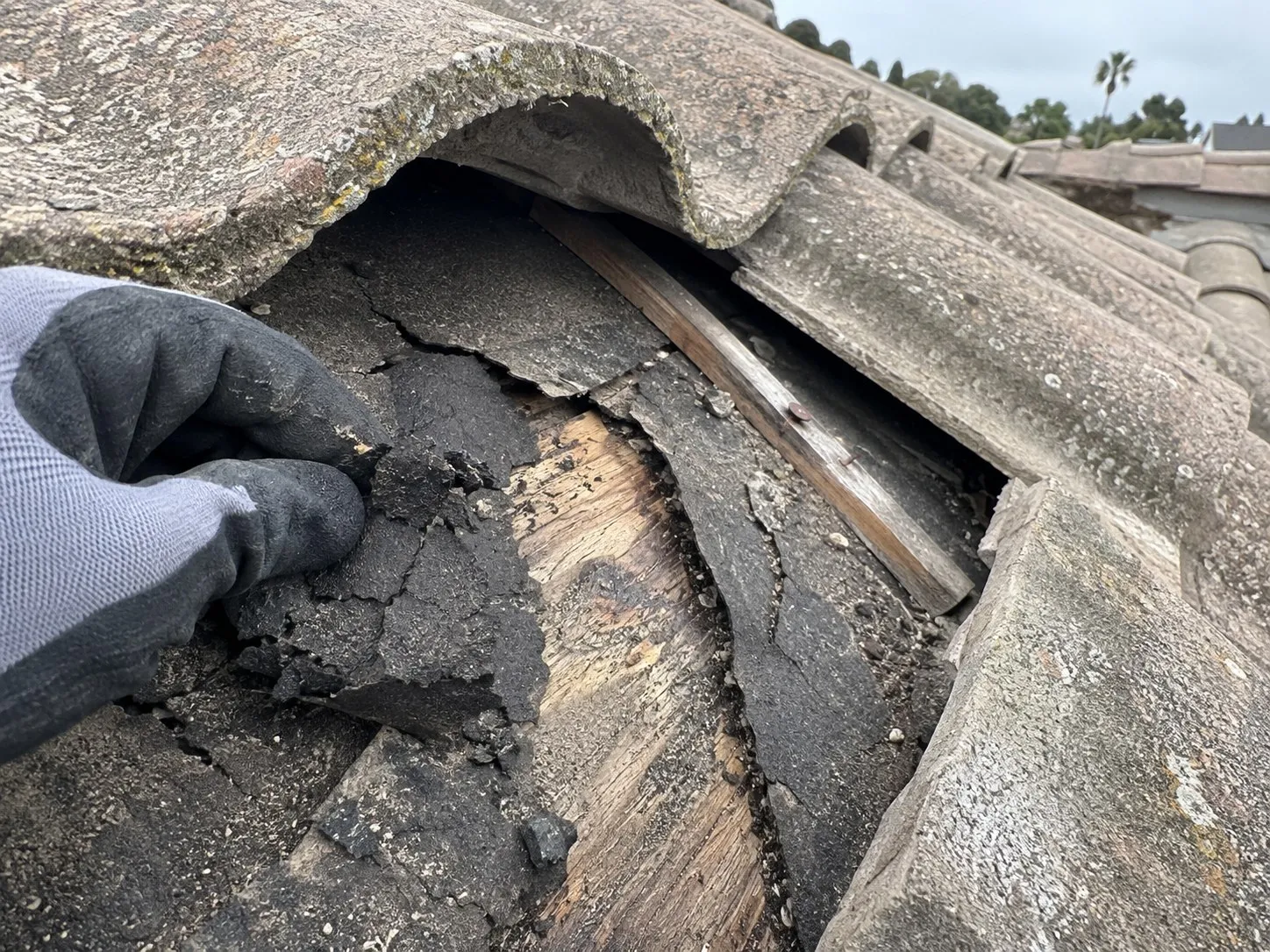
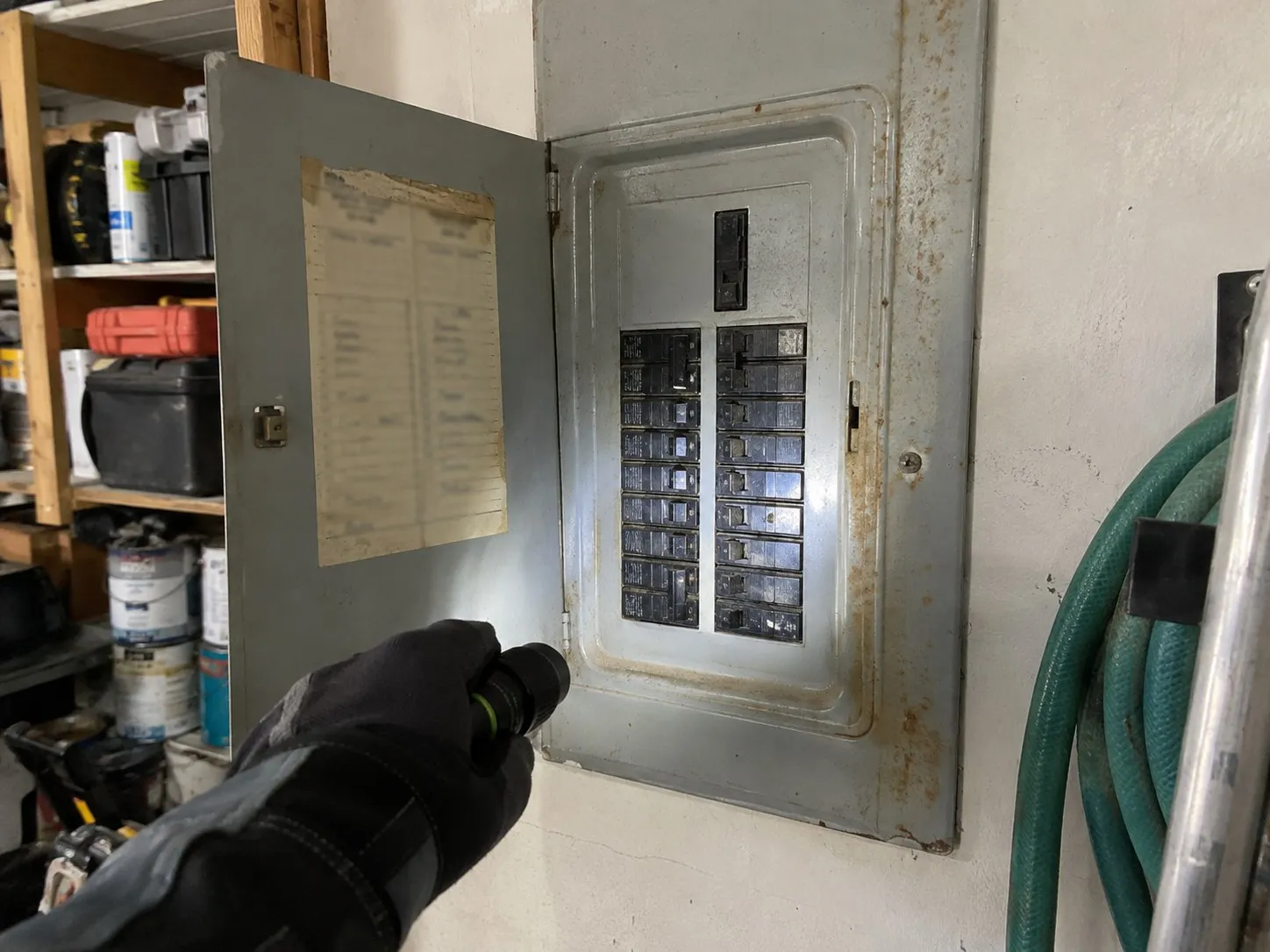
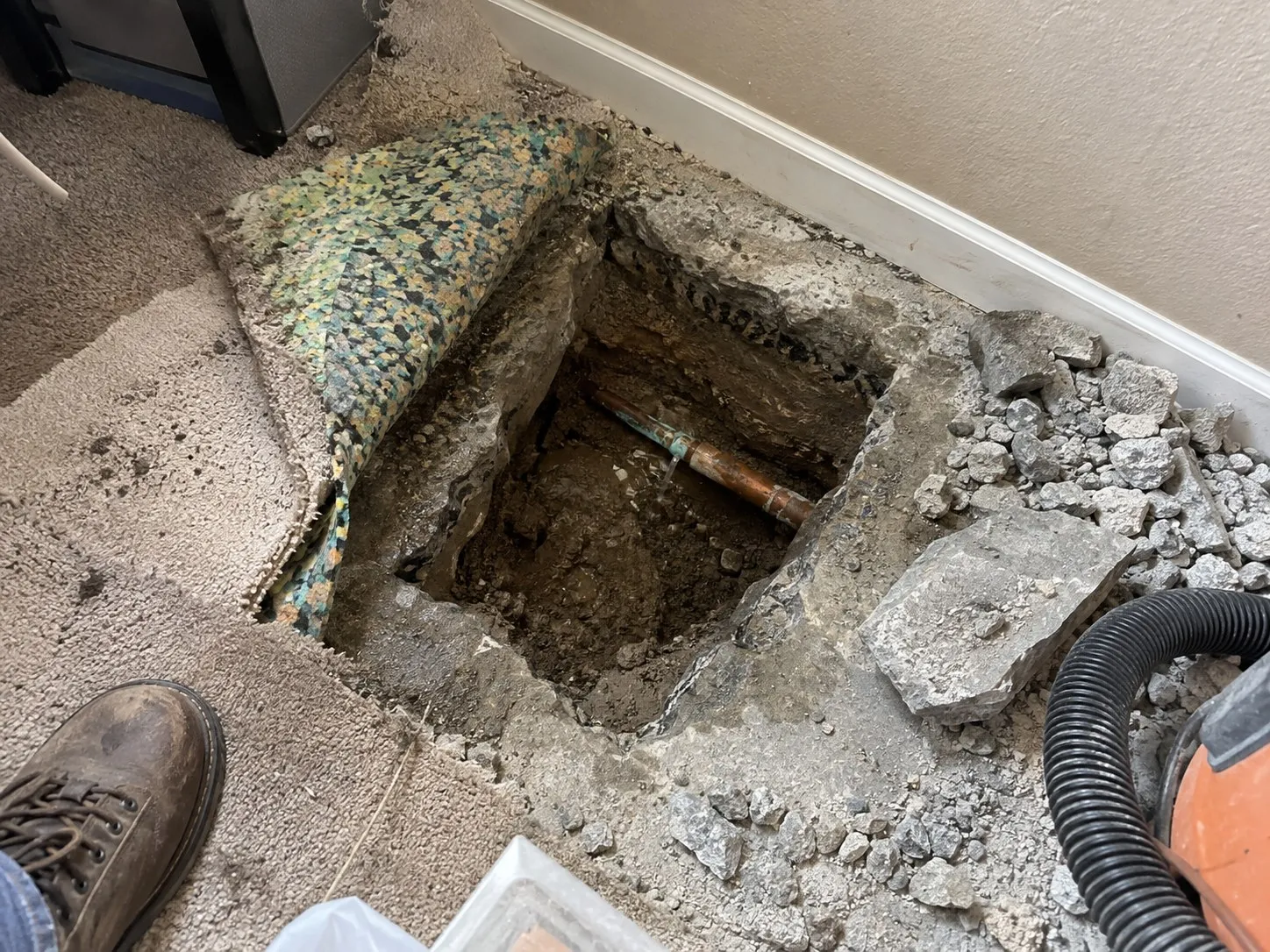
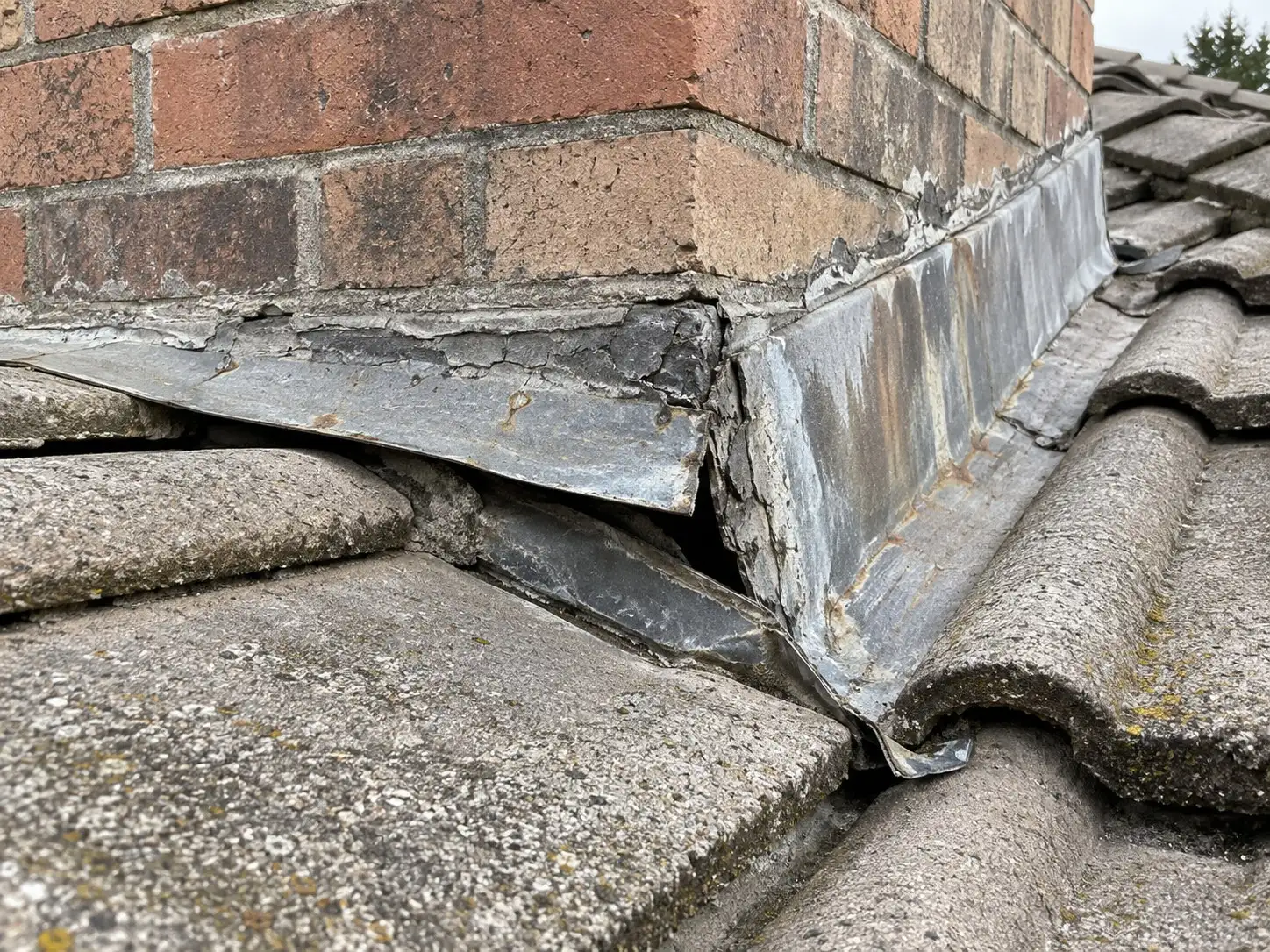
What actually happens. Before your home lists, it gets walked the way a buyer’s inspector will walk it, roof to foundation: the roof and attic, the electrical panel, plumbing supply lines and water heater strapping, drainage and grading around the foundation, HVAC condition and age, and the kind of structural signs an inspector looks for but a homeowner living in the house every day usually stops noticing. In a tract with known patterns (slab cracking on certain foundation types, drainage issues on hillside lots, older galvanized or polybutylene supply lines in homes from certain build years) the walkthrough looks specifically for those patterns, not just a generic checklist.
Why this has to be framed carefully. A real estate agent representing you in the sale generally cannot also act as the paid, licensed home inspector on that same transaction. This isn’t a technicality to route around; it’s the reason this is offered as a pre-listing walkthrough using inspector training, not a formal paid inspection report standing in for one. Your buyer’s own licensed inspector still writes the report that actually governs negotiations. What the walkthrough gives you is a private, early look at the same kind of findings, with enough runway to act on them before a stranger’s report does the deciding for you.
Fix two, disclose two. In practice, a walkthrough on an older or mid-market Temecula home commonly turns up somewhere between two and six items worth attention, and they rarely all deserve the same response. A cracked GFCI outlet or a slow drain is worth fixing before listing, because it’s cheap, fast, and removes a line from a future inspection report that could otherwise spook a buyer over something minor. A larger, structural, or expensive item, aging HVAC near the end of its service life, a foundation condition that needs a specialist’s opinion, is often better handled by pricing the home to reflect it and disclosing it plainly, rather than spending money on a partial fix that a buyer’s inspector will still flag anyway. The judgment call, item by item, is the actual value of doing this before you list instead of finding out during someone else’s contingency period.
What it protects. Every item that surfaces for the first time during a buyer’s inspection becomes a negotiation, and negotiations that start from surprise tend to cost more than the repair itself: buyers ask for credits beyond the fair cost of the fix, timelines slip, and some buyers walk entirely rather than negotiate at all. A seller who already knows what’s coming, and has either fixed it or priced for it, walks into that same conversation with the numbers already settled instead of improvised. That’s negotiating room you keep instead of give away, and it’s the difference between a seller who reacts to an inspection report and one who already accounted for it before the home ever hit the market.
Disclosure doesn’t change. California law requires sellers to disclose known material facts about a property, generally through the Transfer Disclosure Statement and the other required disclosure forms. Finding something early through a walkthrough doesn’t reduce what you have to disclose once you know it. What it changes is the order of operations: you learn the facts on your own timeline, decide how to handle each one, and then disclose from a position of control rather than reacting to someone else’s report on theirs.
Common questions
Is a pre-listing walkthrough the same as a home inspection?
No, and that distinction matters. A licensed real estate agent generally cannot also serve as the paid, licensed home inspector on a transaction where they represent a party to the sale. This is framed as a founder's pre-listing walkthrough using his inspector training, not a paid, licensed inspection report, and the buyer's own licensed inspector remains the report that governs the transaction.
What if the walkthrough finds something serious?
You decide, with time on your side. You can repair it before listing, price the home to reflect it, or disclose it plainly and let the number do the talking. What you lose is the ability to make that decision calmly instead of during a five- or seven-day inspection contingency with a buyer already asking to renegotiate.
Do I have to disclose everything the walkthrough finds?
California requires sellers to disclose known material facts about a property's condition, generally through the Transfer Disclosure Statement and related forms. A pre-listing walkthrough gives you the facts early enough to decide how to address each one, but it does not change what you're legally required to disclose once you know it.