



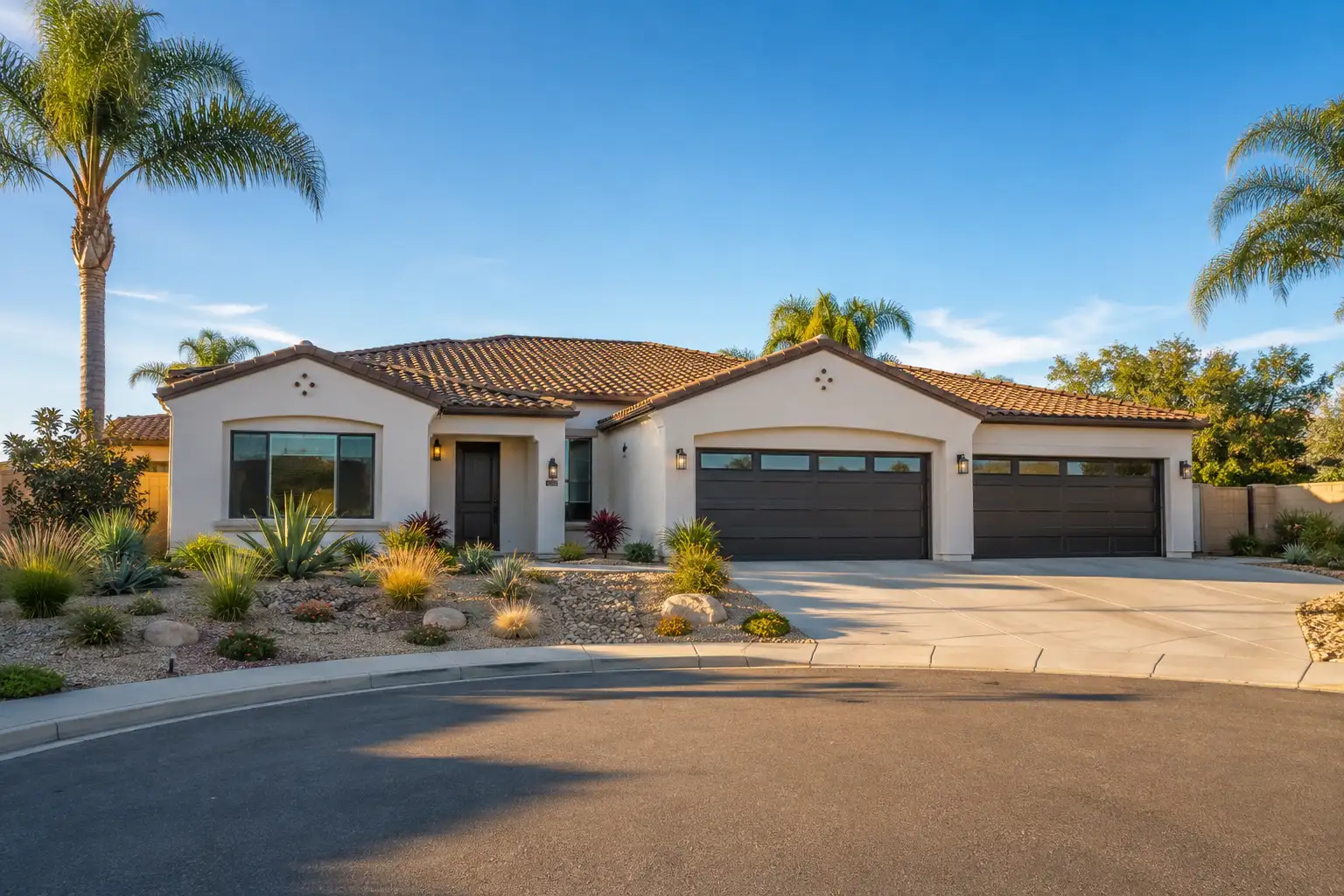
You find a Santa Paula home you want to buy, and the description mentions a historic district. Before you build plans around the property, check its designation. Chapter 16.33 establishes special development and design review standards, a maintenance duty, and public hearings for specified work on designated properties.
This is general information and not legal advice.
The rules below come from the Santa Paula Municipal Code, Title 16, Chapter 16.33, as published on GoCodebook, a third-party copy. Source status as of October 30, 2026: the official code host displayed a browser check and could not be read in full. Confirm the current text with the City of Santa Paula Planning Division.
What does the historic overlay do?
The Historic Landmark Overlay establishes protection and recognition for historic buildings and neighborhoods with historic merit, with special development and design review standards for projects within the identified district.
That purpose appears in Section 16.33.010. For you as a buyer, the practical starting point is the property’s status and the work you have in mind. A reference to historic character does not establish whether a particular house is designated or lies within a historic district.
Keep those questions separate when reviewing a listing. What is the property’s designation? What standards apply to a proposed project? The chapter supplies a framework, but it does not answer either question for a specific address.
The GoCodebook copy cites Ordinance 1100, passed July 6, 2004, for each section. That section history identifies the ordinance cited by the copy; it does not replace confirmation of the current text with the Planning Division.
How do you check whether the rule applies to a home?
Ask the Planning Division about the particular property and check the City’s zoning map.
The chapter reviewed does not list streets or addresses within the overlay or any historic district. It also does not establish whether a specific house is a designated landmark. You need a property-specific answer before treating these provisions as part of your purchase planning.
Ask about both possibilities: designation as a historic landmark and location within a historic district. The maintenance and alteration provisions refer to those categories, so a question limited to landmark status would leave the district question unanswered.
Use the California seller disclosure guide alongside that inquiry as you organize the documents you are reviewing. Keep the City’s answer tied to the property under consideration. General information about historic designation cannot establish the status of the home you want to buy.
What work requires a permit and public hearings?
Section 16.33.060 requires public hearings for review and approval of an alteration permit covering alteration, restoration, construction, removal, or demolition of or on a designated historic landmark or property within a historic district.
The Historic Preservation Commission serves as the hearing body for approval or disapproval of alteration permits. The section includes an exception when the Building Official declares the subject structure unsafe. That exception is tied to the official’s declaration.
Describe your intended project to the Planning Division and ask what counts under the provision. The chapter does not supply enough detail to resolve every proposed change from its wording alone.
It also gives no fees or hearing timelines. Ask for those details before making a project schedule. If existing work raises separate questions during your review, the guide to unpermitted work disclosure is another reading resource. Keep questions about existing work distinct from approval of your future plans.
What maintenance duty would you inherit?
The owner or individual in charge of a designated landmark or a structure in a historic district must maintain it in good condition in accordance with City Council Ordinance No. 816.
Section 16.33.050 also says that, if the owner fails to make necessary improvements, the City may make the improvements and charge the costs as a lien against the property. The word “may” matters: the text gives the City that authority without saying it will exercise it in every case.
Chapter 16.33 does not explain what “good condition” requires. It refers to Ordinance 816, which was not reviewed for this guide. Ask the Planning Division for that ordinance and clarification of the maintenance standard.
You can use the pre-listing inspection guide as related reading while organizing condition questions. For the historic maintenance requirement itself, follow the chapter’s reference to Ordinance 816 rather than supplying your own definition.
How should you apply this to your purchase plans?
You should connect the property’s confirmed status with your intended work and the maintenance provisions before relying on a project plan.
Bring a concrete description of the work to that conversation. Asking about a defined project gives the Planning Division something specific to address. Keep unanswered questions visible instead of filling gaps with assumptions drawn from the home’s appearance or a general description of the district.
We were helping a Santa Paula buyer evaluate an older home when she learned it was within a historic overlay. She was comfortable preserving the building but wanted to change several exterior features soon after closing. We reviewed the available code requirements with her and flagged the approval questions that still needed confirmation from the city.
How does a property or district become designated?
Designation follows an application, preliminary assessment, and hearing process that ends with City Council action by ordinance when the application proceeds through the designation path.
Under Section 16.33.020, a landmark application may begin with a person who can show a legal vested interest in the property or that person’s authorized agent. The Planning Director may request proof of ownership. A district application may begin with any individual, the Planning Director, the Planning Commission, or the City Council.
Section 16.33.030 sends a complete application to the Design Assistance Committee for a preliminary assessment under Ordinance 816. A finding of no merit results in rejection unless an appeal is filed with the Historic Preservation Commission under Chapter 16.206.
A finding of merit leads to a Commission public hearing, noticed under Chapter 16.204, and a recommendation by resolution. The Council then holds its own hearing and acts by ordinance. Its action is final and becomes effective on the ordinance’s effective date.
What else does the chapter leave you to confirm?
The chapter leaves property boundaries, project details, fees, hearing timelines, and the meaning of good condition to further inquiry.
It also points beyond its own sections. Section 16.33.080 says Chapter 16.200, Administration of the Development Code, and Ordinance 816 also apply to landmark and district designation. Its listing also includes Chapter 16.232, Tree Removal Permit. Section 16.33.040 is reserved.
Under Section 16.33.070, state and federal law prevail to the extent they conflict with the preservation provisions. That does not resolve a particular conflict for your property; it states the rule the chapter provides.
For local context, you can read the local paper. Use the Planning Division and the current code text to confirm the requirements that apply to your purchase and proposed work.
The short version
Buying a designated landmark or a home within a historic district brings maintenance and project review rules into your planning.
Confirm the property’s status with the Planning Division and the City’s zoning map. Ask how the alteration permit provision applies to your intended work, and request Ordinance 816 for the maintenance standard referenced by the chapter. Obtain current fee and hearing information directly rather than assuming the chapter provides it.
The source reviewed is a third-party copy, so confirm the current text with the City before relying on it for a property decision.
For a separate part of your home research, visit the home value tool.
Common questions
How do you find out whether a home is in a historic district?
Ask the City of Santa Paula Planning Division and check the City's zoning map. The chapter reviewed does not list streets or addresses or establish whether a particular home is designated.
What work requires an alteration permit and public hearings?
Chapter 16.33 identifies alteration, restoration, construction, removal, and demolition of or on a designated historic landmark or property within a historic district. Ask the Planning Division what counts for your planned project.
What maintenance duty comes with a designated property?
The owner or individual in charge must maintain a designated landmark or structure in a historic district in good condition under City Council Ordinance No. 816. The chapter says the City may make necessary improvements and charge the costs as a lien if the owner fails to make them.
Where should you confirm the current rules?
Confirm the current text with the City of Santa Paula Planning Division. The rules discussed here were read on GoCodebook, a third-party copy, because the official code host displayed a browser check on October 30, 2026.
