



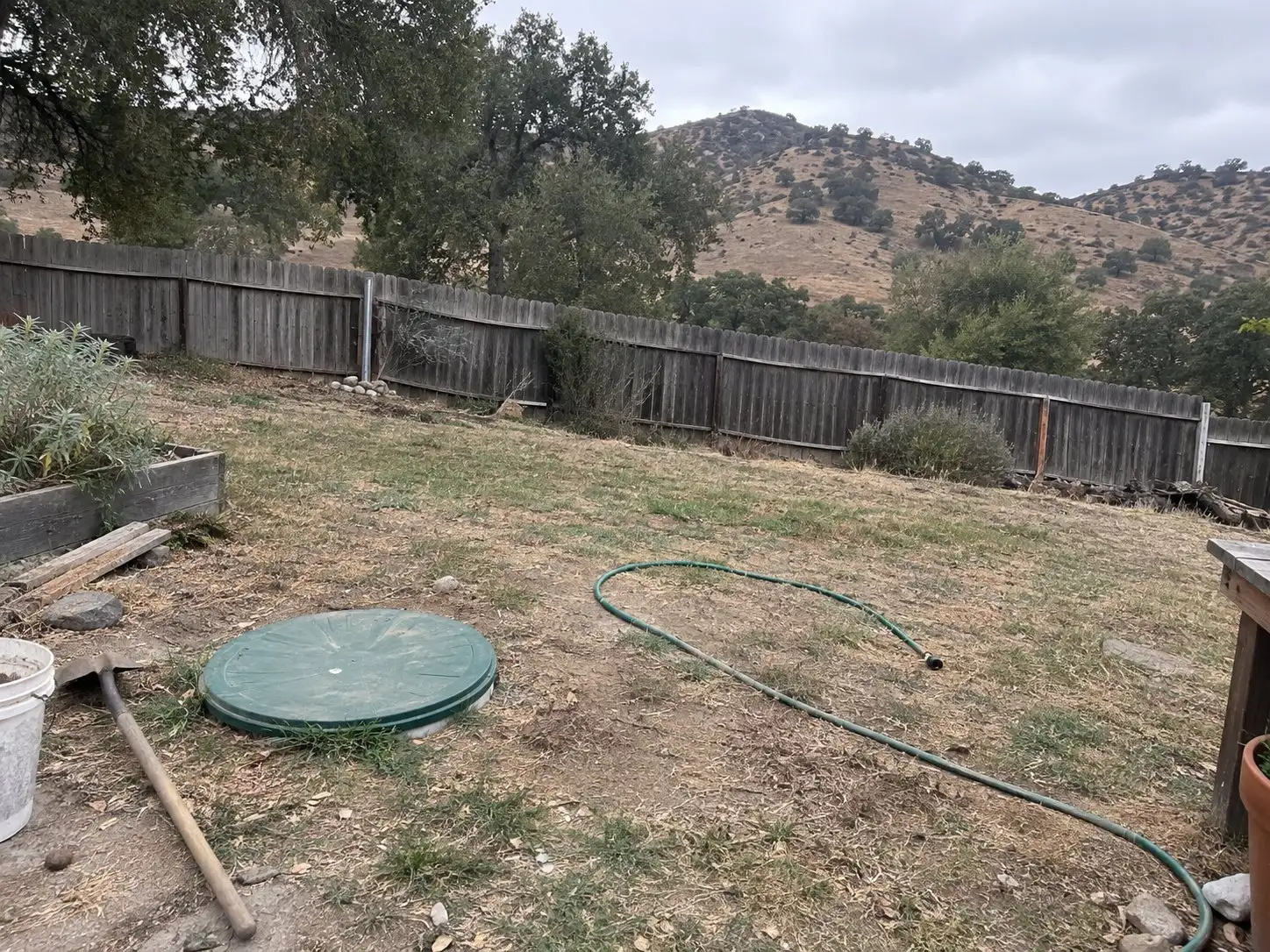
Lakeside sits partly on sewer and partly on septic, and the two halves of the community get treated very differently in a sale. Before you price a listing or write an offer here, the first question isn’t how old the system is or when it was last pumped. It’s which system you even have.
Sewer or septic: how to tell first
Lakeside is one of eight unincorporated communities served by the San Diego County Sanitation District, alongside Alpine, Campo, East Otay Mesa, Julian, Pine Valley, Spring Valley and Winter Gardens. That means a meaningful share of Lakeside parcels are on public sewer, while others, especially on larger lots and in the more rural fringes of the community, rely on an onsite septic system. A water bill with a sewer line item, or a past disclosure statement, will usually answer the question. If it doesn’t, a call to the Sanitation District about the specific address, paired with a records check at the county’s environmental health department, will.
Who regulates septic systems here
For any Lakeside property that is on septic, the regulator is the County of San Diego Department of Environmental Health and Quality, known as DEHQ. Its Land and Water Quality Division permits new systems, reviews repairs and modifications, inspects installations, and keeps design records, and it has jurisdiction over septic systems anywhere in the county, including incorporated cities. DEHQ’s septic customer service functions moved in December 2025 from the Planning and Development Services building at 5510 Overland Avenue to DEHQ’s own office at 5500 Overland Avenue, Suite 110, so confirm the current location before an in-person visit.
Does the county require an inspection at time of sale
Neither DEHQ’s own septic program pages nor the state’s onsite wastewater policy set out a mandatory point-of-sale septic inspection or certification. That surprises a lot of sellers, who assume there’s a county form that has to be filed before closing. There isn’t one, at least not as a blanket legal requirement. What actually drives an inspection in most Lakeside transactions is the buyer’s lender or the buyer’s own home inspector asking for one as a condition of the loan or the deal, which functions like a requirement even though it isn’t imposed by the county itself. Ask early which of those applies to your transaction so you aren’t scheduling a pumper’s visit during a short contingency window.
The state policy behind the county program
California’s septic rules trace back to a 2000 law, AB 885, which amended Water Code section 13290 and directed the State Water Resources Control Board to write statewide standards for onsite wastewater treatment systems. The board adopted its resulting OWTS Policy in 2012, and it has since been renewed twice, most recently in 2023. That statewide policy is implemented locally through DEHQ’s Local Agency Management Program, or LAMP, which the state water board approved and which sets San Diego County’s specific design and siting standards, including required separation from groundwater. Lakeside sellers don’t need to read the policy itself. What matters is that the standards a Lakeside septic system was built to depend on when it was permitted, since the LAMP has been updated more than once.
Finding your property’s septic permit and layout
DEHQ has kept septic system records filed by assessor’s parcel number since the late 1970s, and land use records for septic and graywater systems are now searchable online through the county’s Environmental Health Document Library. If your property or its permit predates what’s posted online, or the online search comes up empty, you can submit a request directly to the county’s Public Records Request Center and select the DEHQ Food, Water and Housing Division for a faster turnaround. DEHQ’s duty desk can also be reached by phone for septic questions, and there is a separate line specifically for septic inspection scheduling. A parcel’s file typically includes the original installation permit and, when one was filed, a layout diagram showing the tank and disposal field, which is the document a buyer’s inspector or pumper will want before they start digging around your yard.
What an inspection or pumping actually involves
A septic evaluation for a sale generally means locating the tank and disposal field, pumping the tank so the interior can be checked, and inspecting the tank, baffles and visible parts of the leach or seepage field for damage or signs of failure. Lenders financing the purchase, particularly on government-backed loans, commonly want written confirmation that the system is functioning, and a buyer’s home inspector will typically flag a septic system as outside the general inspection’s scope and recommend a specialist evaluate it directly, the same way roofing or pool equipment often gets referred out. Bring your permit and layout records to that appointment if you have them. It saves the pumper from probing the yard blind and gives the buyer’s side a document trail instead of just a verbal opinion.
What to check before you list
If you know your property is on septic, a few things are worth confirming before a buyer’s team starts asking. Find out when the system was last pumped and whether there’s a record of it. Locate the permit and layout, or start the county records request early since it can take time to process. Walk the yard for standing water, unusually green patches of grass, or odors near the leach field, which are the visible signs a system may be struggling. None of that replaces an actual inspection, but it means you aren’t hearing about a problem for the first time from the buyer’s inspector.
Disclosing what you already know
If you’re aware of a septic issue, sluggish drains, a system that’s backed up before, a repair that was never permitted, that has to go on the Transfer Disclosure Statement California requires under Civil Code section 1102.6. The form asks sellers about known defects, and a pumper’s or inspector’s written finding is exactly the kind of fact that then counts as something you know. The seller disclosure guide covers what else the TDS asks for beyond septic systems. If a septic repair was ever done without a county permit, that’s also worth reading up on separately, since unpermitted work carries its own disclosure obligations regardless of whether the repair itself was done well.
The short version
Start by confirming whether your Lakeside property is on sewer through the San Diego County Sanitation District or on septic under DEHQ. If it’s septic, there’s no county mandate to inspect it before you sell, but a lender or buyer’s inspector will very likely ask for one anyway, so find your permit and layout records early and know the system’s pumping history before anyone else asks. A pre-listing inspection is a reasonable place to raise the septic question alongside everything else on the property, rather than waiting for a buyer’s report to raise it for you.
If you’re weighing what a Lakeside property on septic or sewer is worth before you list, the home value tool is a starting point before a conversation about your specific home.
Common questions
Does San Diego County require a septic inspection before I can sell my home?
No. Neither the state nor the County of San Diego imposes a blanket point-of-sale septic inspection requirement. In practice a buyer's lender or a buyer's own inspector will often ask for one anyway, so most sales end up with a pumping and inspection report even without a legal mandate to get one.
How do I find out if my Lakeside property is on septic or sewer?
Check your water bill and any past inspection or disclosure paperwork first. If that doesn't settle it, contact the San Diego County Sanitation District about your address and separately search DEHQ's Environmental Health Document Library, or call the DEHQ duty desk, for a septic permit history on the parcel.
Who regulates septic systems in Lakeside?
The County of San Diego Department of Environmental Health and Quality, through its Land and Water Quality Division, permits, inspects and keeps records for onsite wastewater treatment systems throughout the unincorporated county, including Lakeside.
What happens if I know about a septic problem and don't disclose it?
California's Transfer Disclosure Statement, required under Civil Code section 1102.6, asks sellers about known defects. A pumper's or inspector's written finding on your system is exactly the kind of thing that then has to go on the form.
