



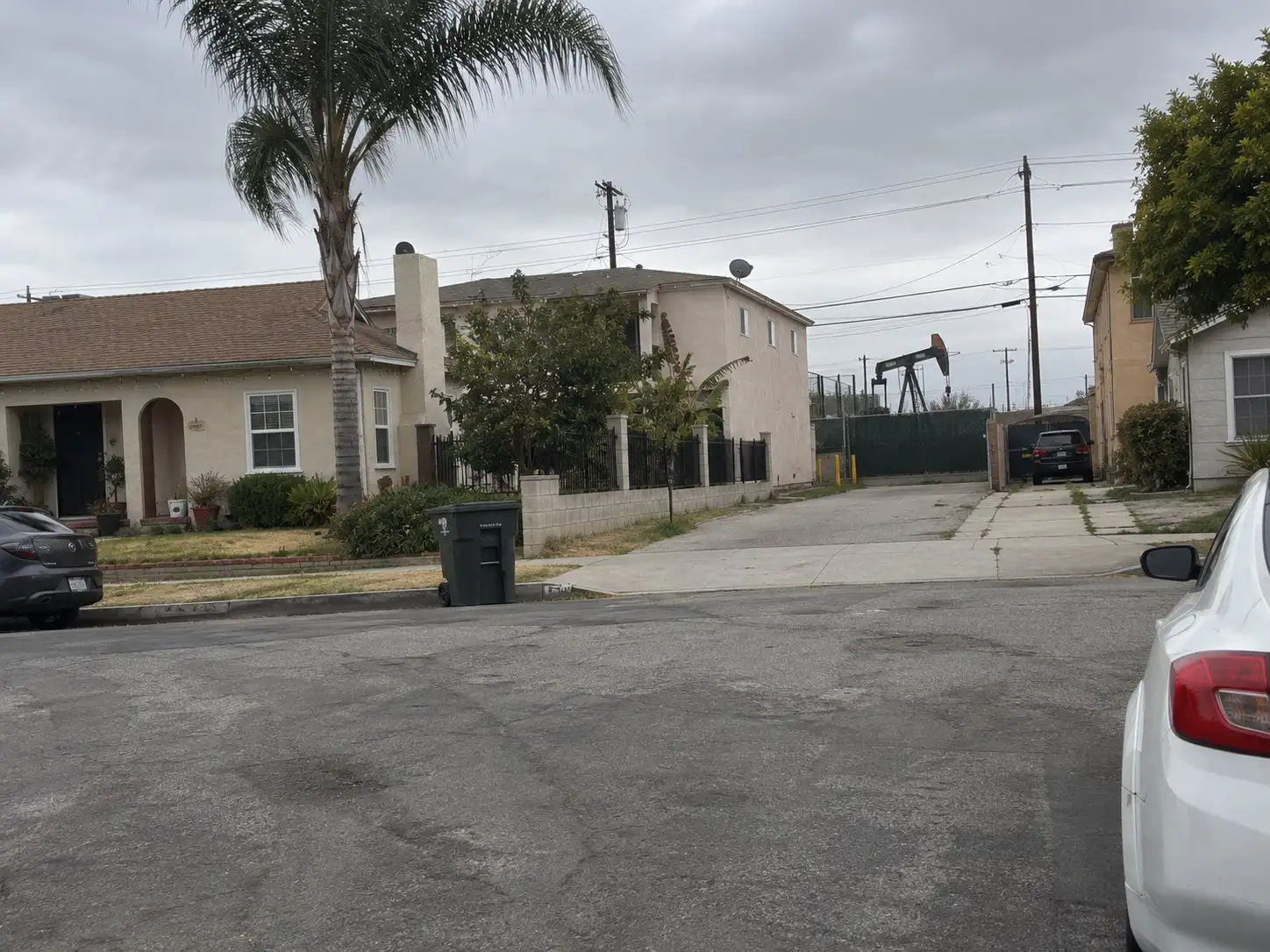
Long Beach grew up beside working oil fields, and the city’s building rules reflect that history. For a buyer or seller, the practical question is not whether a home sits in an oil town. It is whether the city’s methane gas rules attach to the parcel, and whether they attach to what someone plans to do with it.
This article describes what the city’s published rules say and how to check them. It does not give a view on any specific address. Zarko Maletin is a Realtor and InterNACHI certified home inspector, but methane testing and mitigation design are work for licensed engineers and geologists, and the City of Long Beach decides what applies to a permit.
What is Long Beach’s methane mitigation rule?
It is a set of building requirements in Chapter 18.79 of the Long Beach Municipal Code, explained in the Building and Safety Bureau’s Information Bulletin IB-055, titled “Methane Gas Mitigation.” The bulletin says it clarifies city regulations for construction on private property that requires methane gas mitigation, and that construction in the vicinity of oil and gas wells, and in areas near landfills, can trigger the requirements.
The bulletin lists its effective date as September 1, 2021 and a revision date of October 6, 2023. Rules like this get updated, so treat any summary, including this one, as a pointer to the current text on longbeach.gov.
When does it apply, and does it apply to a resale?
It applies when a project on a parcel requires city approval and the parcel falls within the methane gas zone, unless an exemption fits. The bulletin frames the requirements around applicants submitting grading or building plans, not around a change of ownership. Nothing in the bulletin describes a resale, by itself, as a trigger.
That is a reading of one city document, and it is worth confirming by phone or at the counter. Ask Building and Safety whether the parcel is in the mapped zone and whether any prior permit on the address carried methane conditions.
The bulletin lists two exemptions under section 18.79.040. One covers open parking garages with permanent natural ventilation, though enclosed features such as elevator pits and stairwells still need mitigation. The other covers an addition or change of use to an existing building that is smaller than half of the existing structure’s area. So a modest addition to a house may fall outside the chapter, while a large addition, a teardown or a new build may not.
What does the city require when it does apply?
A licensed professional has to investigate the soil first. The bulletin says the applicant must hire a Qualified Professional, defined as a California registered professional civil engineer, petroleum engineer or geologist, to conduct a soil gas investigation and prepare the mitigation plan. If no methane is detected, no mitigation is needed and the plans say so.
If methane is found, the design depends on the measured concentration and pressure. The bulletin sets out three levels of mitigation, and it says structures built over or within a defined proximity of abandoned oil wells must meet the most stringent one, Level III. That proximity is defined in Chapter 18.78, which the bulletin cites for abandoned wells.
The bulletin spells out what each level requires, so read the current version before pricing a project. The city also warns that applicants should expect additional staff review and inspection time. This is real schedule and budget impact for a remodel, which is why it belongs in the conversation before an offer, not after.
What stays with the property after the work is done?
The obligations continue after the building is finished. The bulletin says that before final inspection the applicant submits a recorded covenant, that an operation, monitoring and maintenance plan is required, and that monitoring and maintenance of the systems remain the responsibility of the property owner. Methane detection systems are to be inspected and tested not less than annually.
For a buyer, this means a house that already has a mitigation system is a house with paperwork and upkeep attached. Ask for the recorded covenant, the maintenance plan and any testing records. For a seller, those documents are part of the file a buyer’s side will want to see.
How do you check a parcel for nearby oil or gas wells?
Use CalGEM’s Well Finder. CalGEM is the California Geologic Energy Management Division, part of the Department of Conservation. Its Well Finder page describes an online mapping application that presents oil and gas information geographically, searchable by address, coordinates, well API number and other methods, and it says the application is updated nightly.
Two cautions apply. First, a map lookup shows what the state has on record, and it does not tell you how a past abandonment was carried out or what the ground under a specific lot is doing. Second, the city’s methane zone map and CalGEM’s well map answer different questions. One shows where the city applies its rules, the other shows where wells are recorded. Check both.
What does California law say about building near abandoned wells?
Public Resources Code section 3208.1 addresses who is responsible when a previously abandoned well is affected by development. Under the statute, the state oil and gas supervisor or district deputy may order or permit reabandonment of a previously abandoned well if the integrity of the earlier abandonment is in question, or if the well is not accessible or visible.
The statute also shifts responsibility away from the original operator in defined cases. One is when a property owner plans construction that would prevent access to the well. Another is when construction over or near the well began after January 1, 1988 and the property owner, developer or local agency did not obtain or follow the supervisor’s guidance. A third is when someone other than the operator disturbed the well’s integrity during development.
The takeaway for a buyer is narrow and practical. If a remodel or rebuild could cover or disturb a known well, the state’s process and the statute matter, and the cost and responsibility can land on whoever caused the construction. Read the statute on leginfo.legislature.ca.gov and ask your attorney how it applies before you commit.
What should a buyer planning a remodel ask?
Ask these before you remove contingencies, and get answers in writing where you can.
Is the parcel inside the city’s mapped methane gas zone? Does Well Finder show any well on or near the lot? Do prior permits on the address mention methane testing, a membrane or a recorded covenant? Is the planned scope a small addition, a large addition or a new structure, given the exemption threshold in section 18.79.040? Would a soil gas investigation by a Qualified Professional be needed, and how long does the city’s review take on a project like yours? Who would carry the ongoing testing and maintenance duties if a system is required?
A pre-listing inspection will not test soil gas, but it documents the condition of the home as it stands. Sellers who already know of a mitigation system or a well should also read the seller disclosure guide, since known conditions belong on the forms.
What about disclosure and permits when selling?
Sellers disclose what they know. If the home has a methane mitigation system, a recorded covenant or an old well on the lot, those are known conditions, and the paperwork should go to the buyer with the rest of the file. Natural hazard reports are a separate track. The NHD reports article explains what those cover, and why a hazard report does not replace a seller’s own disclosure.
Past work matters too. If a prior owner built an addition and skipped the permit, no methane review would have happened either. That is the kind of gap covered in the unpermitted work disclosure guide, and it is worth resolving before a buyer’s side finds it.
The short version
Long Beach’s methane rules attach to construction on parcels in the mapped zone, under Chapter 18.79 and Information Bulletin IB-055, with proximity to abandoned oil wells triggering the strictest level. A resale alone is not described as a trigger, but a remodel might be. Check the city’s zone map, look up wells in CalGEM’s Well Finder, read Public Resources Code section 3208.1, and confirm the details with the city before you buy or build.
If you are weighing a Long Beach sale and want a starting number before those conversations, try the home value tool. It is a starting point, not an appraisal of your specific home.
Common questions
Does the City of Long Beach require methane mitigation when an existing home is resold?
The city's published bulletin describes the rules as applying to construction on private property, and to permit applications, not to the act of a sale. A resale with no construction is not described there as a trigger. Confirm the parcel and any planned work with the Building and Safety Bureau before you rely on that.
How do I check whether a Long Beach address is in the methane gas zone?
The city's bulletin tells applicants to review the city's methane gas zone GIS map before submitting a project. It also points to Chapter 18.79 of the Long Beach Municipal Code. Building and Safety can confirm what applies to a specific parcel and a specific scope of work.
How do I find oil or gas wells near a property?
CalGEM, the California Geologic Energy Management Division, runs an online mapping tool called Well Finder. It can be searched by address and shows well records and related facilities, and CalGEM says it is updated nightly. Well Finder is a starting point, not a substitute for a site investigation.
Who is responsible for an abandoned well when a property is built over?
California Public Resources Code section 3208.1 shifts responsibility for reabandonment in several situations, including when a property owner's construction would block access to a well, and when construction began after January 1, 1988 without following the state oil and gas supervisor's guidance. Read the statute itself and ask your attorney before you buy or build.
