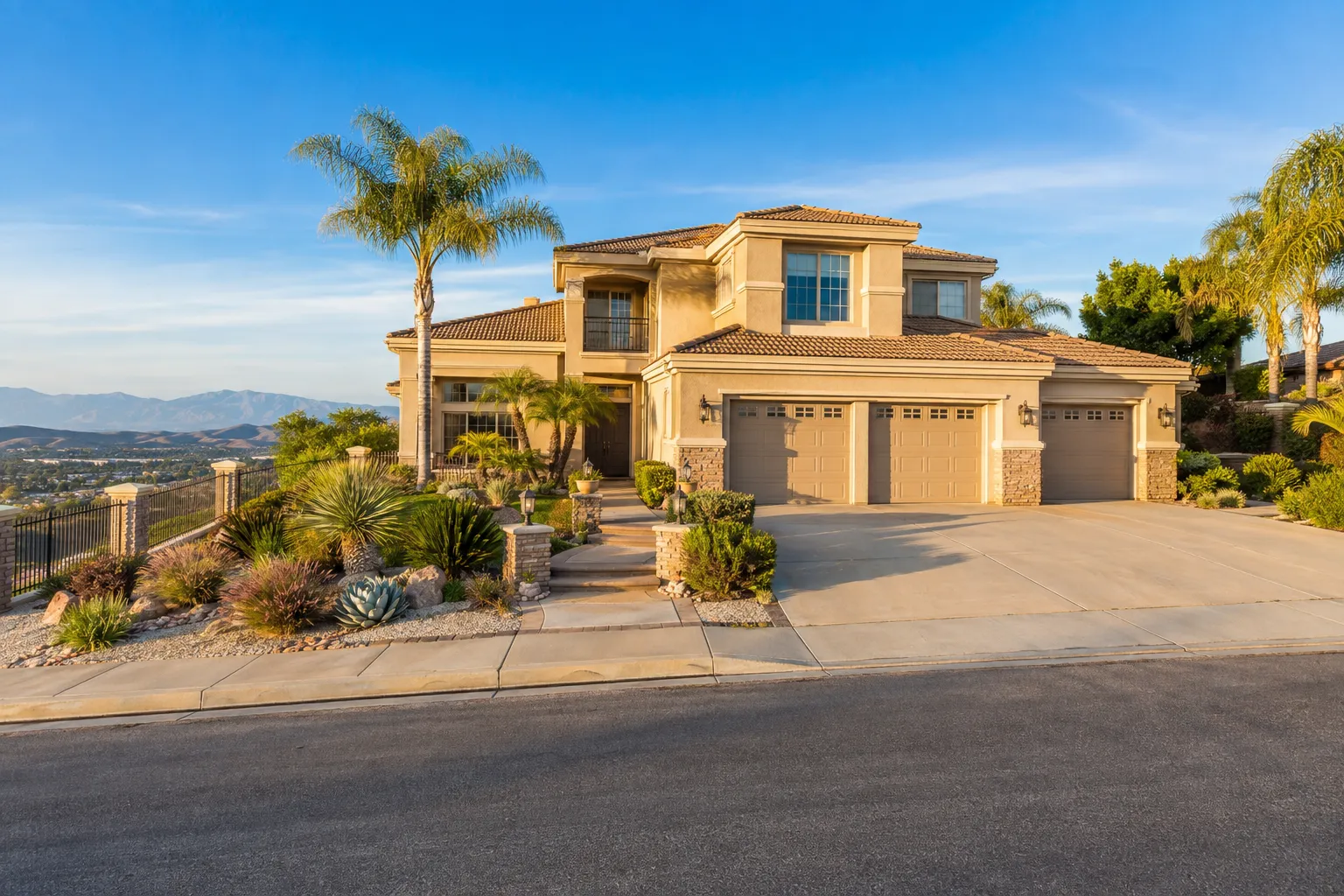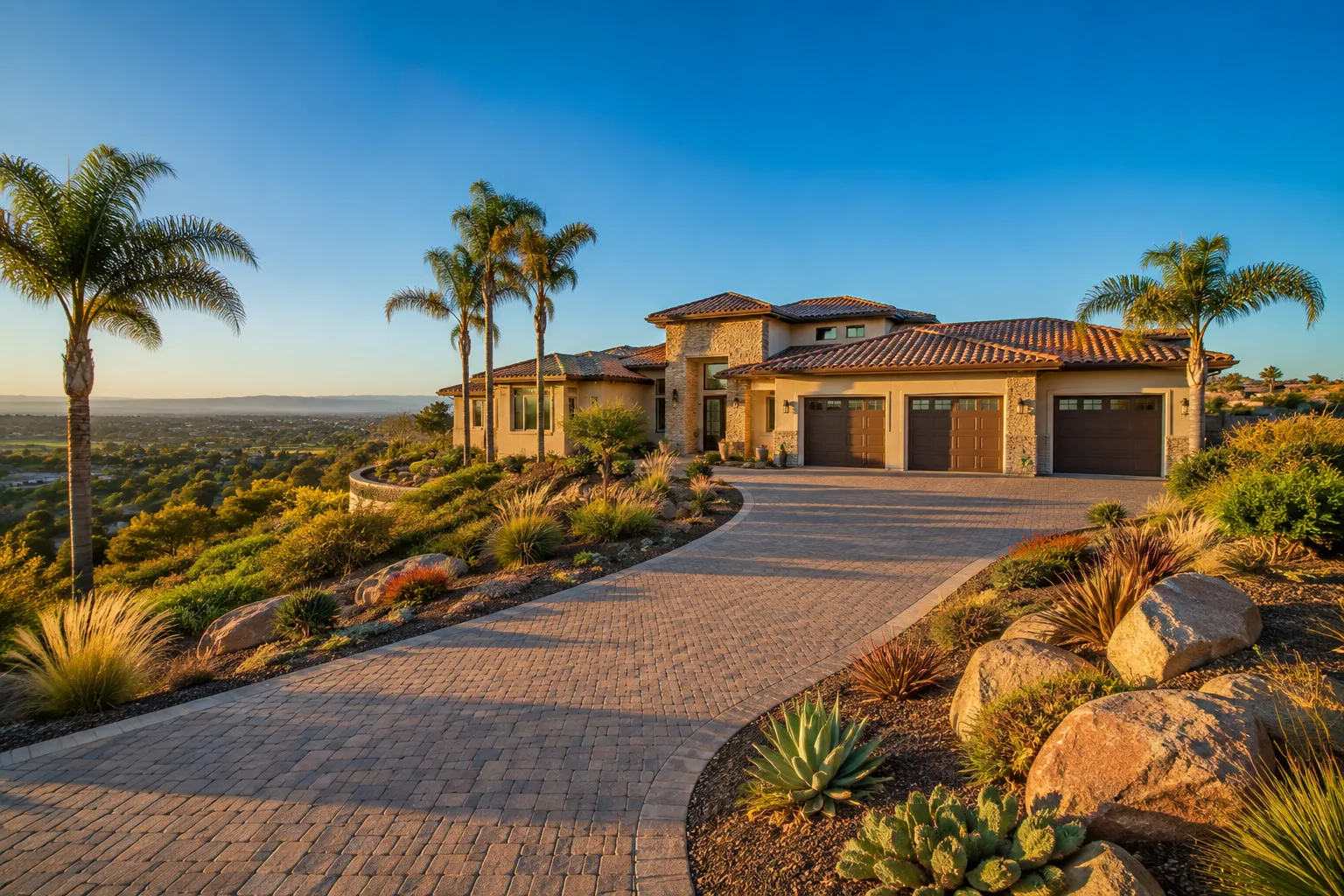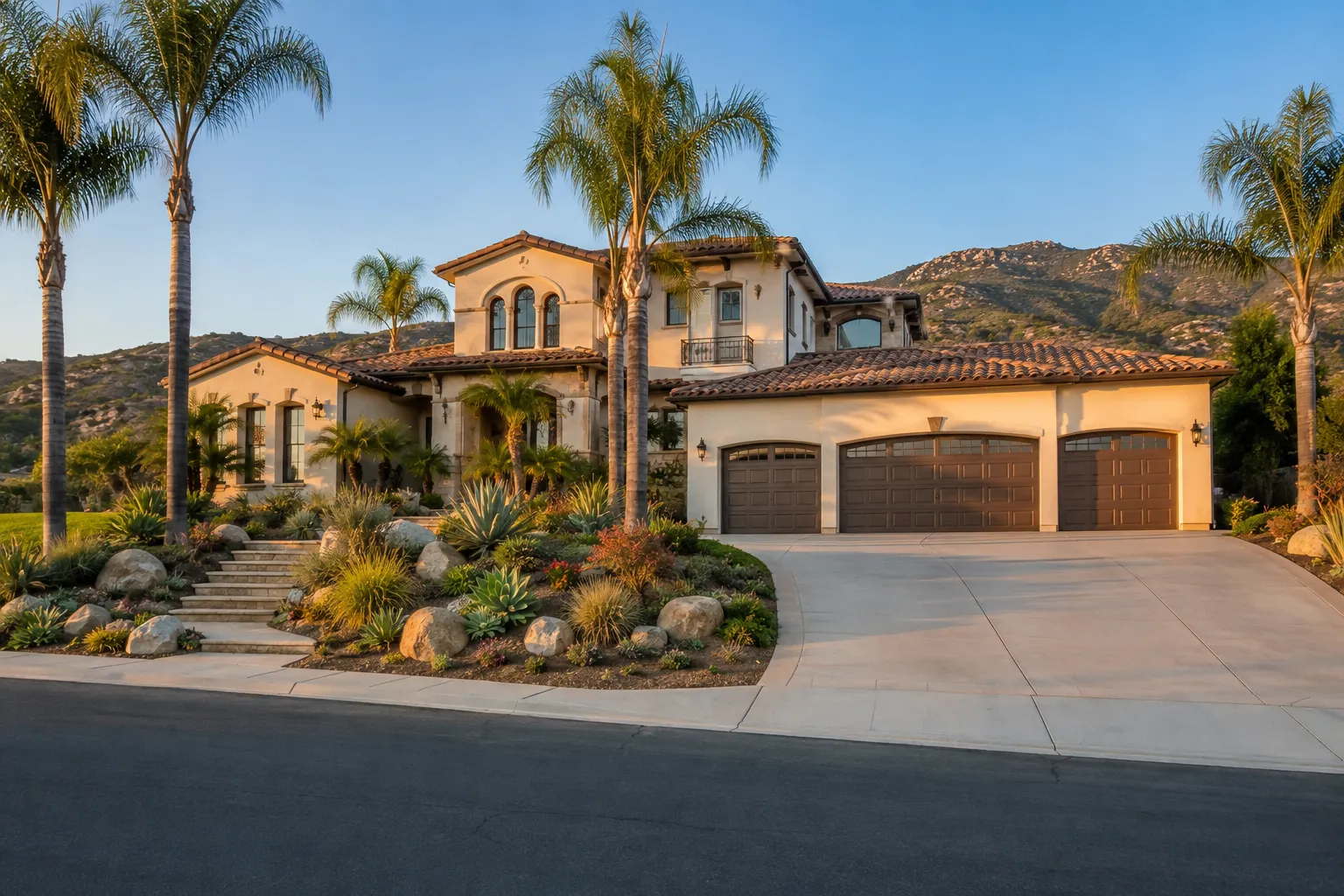



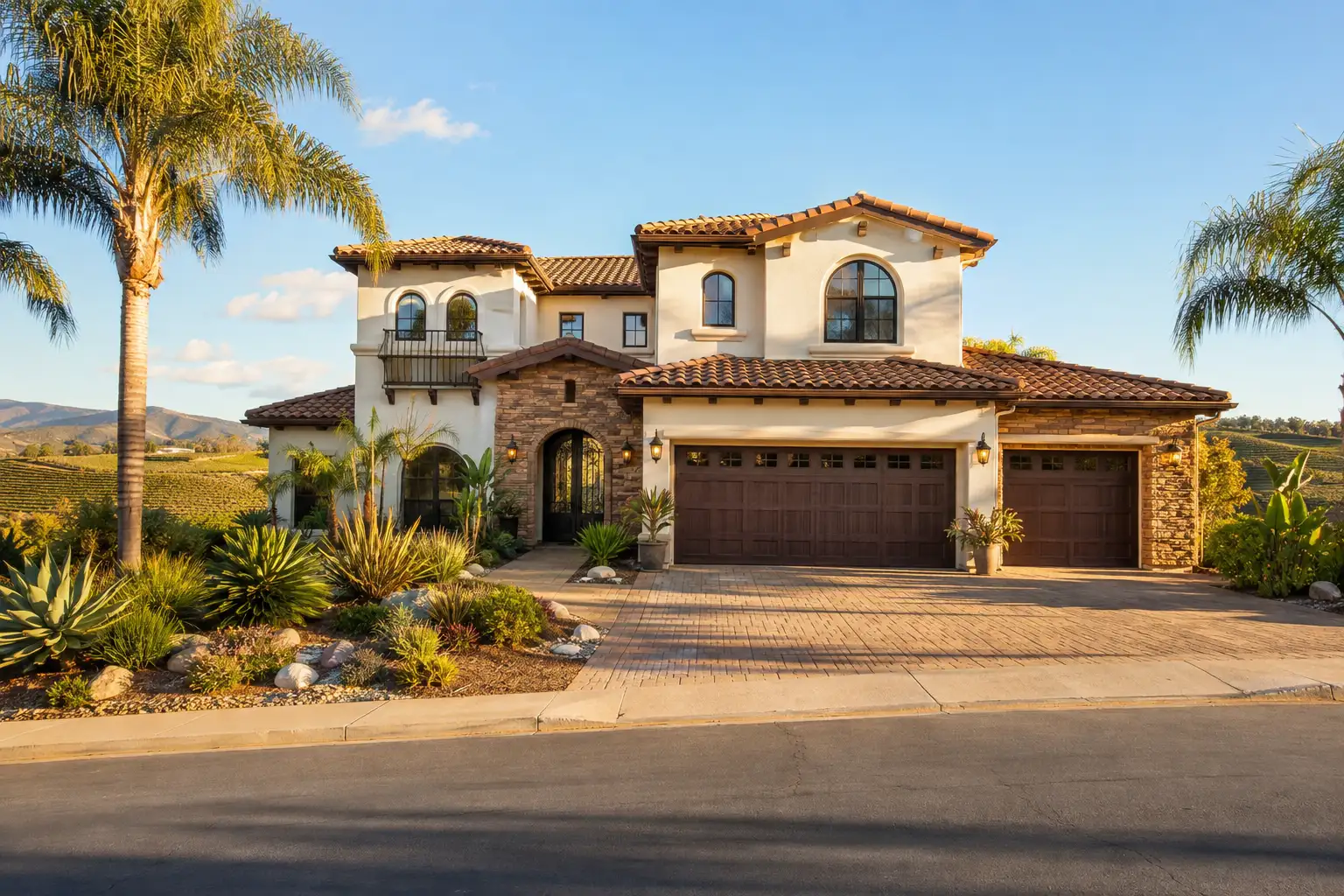
Temecula is still building. If you are selling a resale home here, the buyer touring your house this weekend is very likely touring two or three builder models the same weekend, sometimes in the same drive. That is a real, specific kind of competition, and it calls for a different answer than the generic advice to “price it right and stage it well.” Here is what actually works when your real competition has a sales office and a design center.
Why your buyer is also a builder’s buyer
New-construction communities in and around Temecula are actively marketing to the exact buyer pool your resale listing needs: someone who wants to move to this area, can qualify for a loan around a similar price point, and is comparing options rather than fixated on one specific street. Builder closeouts vs. resale in Temecula covers what a phase closeout actually is and why builders lean on incentives instead of price cuts; this article is written from your side of that same comparison, the resale seller whose buyer pool is being pulled toward those incentives.
What a builder can do that you can’t
A builder can offer a rate buydown, a design-center credit, or a closing-cost package funded out of the development’s own margin, and can do it while protecting the community’s comparable-sales record, since incentives generally do not show up in the recorded sale price the way a straight price cut does. That gives a builder pricing flexibility a single resale seller does not have in the same way. Do not try to out-incentive a builder dollar for dollar. That is not the competition you can win, and it is not the one you need to win.
What you can do that a builder can’t
A resale home has something no brand-new home does: an actual track record. Mature landscaping instead of a rendering. Known neighbors, known street noise, and a settled community instead of a construction zone next door. A disclosed history, once you have gone through a proper pre-listing walkthrough, that tells a buyer exactly what they are getting instead of relying on a builder’s one-year warranty to catch what shows up after move-in. The pre-listing walkthrough is how you turn “no surprises” from a marketing line into something you can actually document and show a buyer’s agent. And in many parts of Temecula, a resale home carries little or no Mello-Roos Community Facilities District assessment, the special tax that funds a newer development’s own roads, schools, and infrastructure. Mello-Roos, explained covers what that tax actually is; the practical point here is that a lower or nonexistent CFD on your home is a real, ongoing monthly-payment advantage over a comparable new-construction alternative, and most buyers do not think to ask about it until their lender runs the actual numbers.
Price against the builder’s real number, not their sign
A builder’s sticker price is not what a buyer actually pays once incentives are applied. If a nearby closeout is advertised at a given price but comes with a two-year rate buydown and a design-center credit, the buyer’s real effective price, and more importantly their real effective monthly payment, is lower than the number on the sign. On a representative Temecula home in the high $700,000s, roughly the median recent closed price in the 92592 ZIP code (closed sales Sep 2025–Sep 2026, as tracked on this market’s own numbers), a builder incentive package worth even $15,000 to $20,000 in effective value can shift a buyer’s comparison meaningfully if your resale listing is priced only against the builder’s sticker. Ask your agent to pull the actual incentive terms on comparable new-construction listings, not just their advertised price, before you set your own number.
When a rate buydown beats a price cut
A seller-funded temporary rate buydown, where you pay upfront to lower a buyer’s interest rate for the first year or two of their loan, can sometimes deliver more real value to a buyer’s monthly budget than the same dollar amount taken off the purchase price, particularly when rates are elevated and a lower initial payment is what actually gets a buyer comfortable signing. Whether this beats a straight price reduction depends on current rate spreads, how long the buyer expects to keep the loan, and your own tolerance for a cost that shows up at closing rather than as a lower headline price. This is a conversation to have with your agent and a lender, using real numbers for your specific listing, not a rule that applies the same way to every home.
Know what you’re competing against before you set your price
Before you finalize your list price, walk the builder model or models a buyer is likely comparing your home against, or have your agent pull the current incentive sheet directly from the sales office. Builder incentive packages change frequently, sometimes month to month, as a community moves through its phases and a builder adjusts based on how quickly homes are moving. A number that was accurate when you first thought about listing may already be out of date by the time you actually go live, and pricing against a stale assumption about what the builder is offering is as much of a mistake as pricing against stale comps from your own street.
A worked comparison, not a guess
Before you decide between a price adjustment, a buydown, or holding your price and waiting, run the actual side-by-side: the builder’s effective price and payment on the closeout you are competing against, your own price and payment as listed, and what each option actually costs you out of proceeds. The home value tool gives you a real, tract-specific starting number for your own home so that comparison is based on your actual numbers rather than a rough guess against a builder’s advertised price.
Common questions
How do I compete with a builder's incentives when selling my resale home?
By pricing against the builder's effective price, sticker minus incentives, rather than their sticker price, and by leaning into what a builder genuinely cannot offer, an inspected and disclosed home, mature landscaping, and often a lower special-tax and HOA structure than the community next door.
Should I offer a rate buydown instead of lowering my price?
Sometimes. A buydown that lowers a buyer's monthly payment for one to two years can be worth more to that buyer's actual budget than the same dollar amount taken off the price, but the right choice depends on current rates, how long the buyer is likely to keep the loan, and what your own numbers can absorb.
Do I have a lower Mello-Roos than new construction, and does that matter to buyers?
If your home predates the special tax districts common in newer Temecula master-planned communities, likely yes, and it matters more than most sellers assume once a buyer's lender shows them the real combined payment including the CFD assessment on the new-construction alternative.