


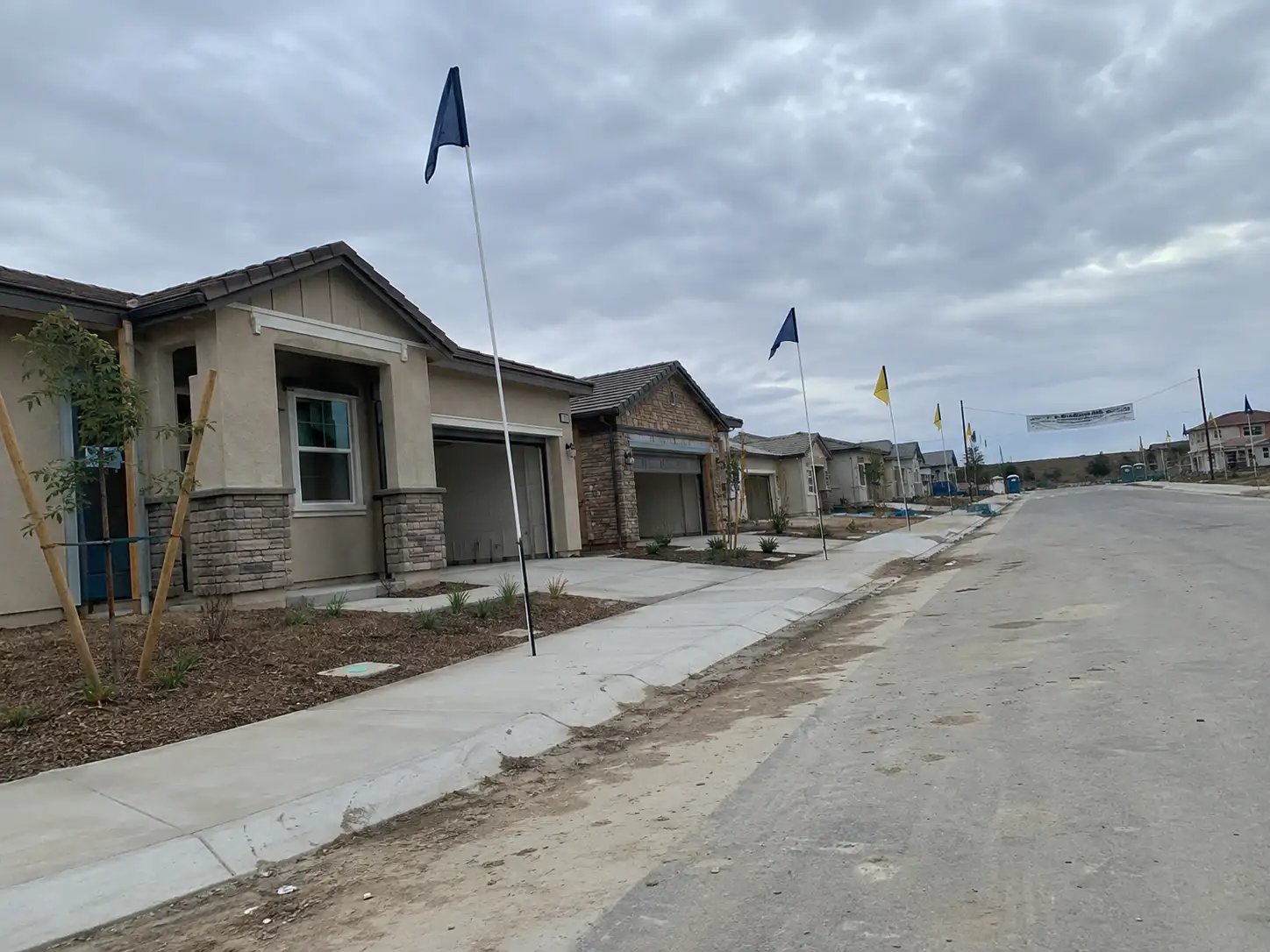
Temecula and the growth corridor around it are still building. That means, at any given time, a buyer here is choosing between homes that have never been lived in and resale homes that carry years of use, upgrades, and sometimes deferred maintenance. Neither is automatically the better choice. The two paths pencil out differently, and the difference is worth understanding before you fall in love with either one.
What a closeout actually is. Builders release master-planned communities in phases, groups of homes sold together before the next section opens. As a phase winds down to its last few available homes, the builder often wants that phase closed out, sold and finished, before shifting sales attention and marketing budget to the next release. Those final homes in a phase are the closeout inventory, and builders commonly treat them differently than the first homes released, because an unsold, finished home sitting empty costs the builder money every month it doesn’t sell.
Why builders use incentives instead of price cuts. A straight price cut on the sticker price becomes part of the public sales record and can pull down the comparable sales the builder is relying on to price the rest of the community, including phases not yet released. So builders lean instead on incentives that don’t show up the same way in the recorded sale price: a temporary or permanent rate buydown, a credit toward closing costs, an allowance at the design center for upgrades, or a combination of these. A temporary buydown lowers the buyer’s interest rate, and therefore the payment, for the first year or two of the loan before it steps up to the note rate. A permanent buydown lowers the rate for the life of the loan. Both cost the builder money up front in exchange for protecting the price on paper, and both can be worth more to a buyer’s actual monthly payment than a modest price reduction would have been.
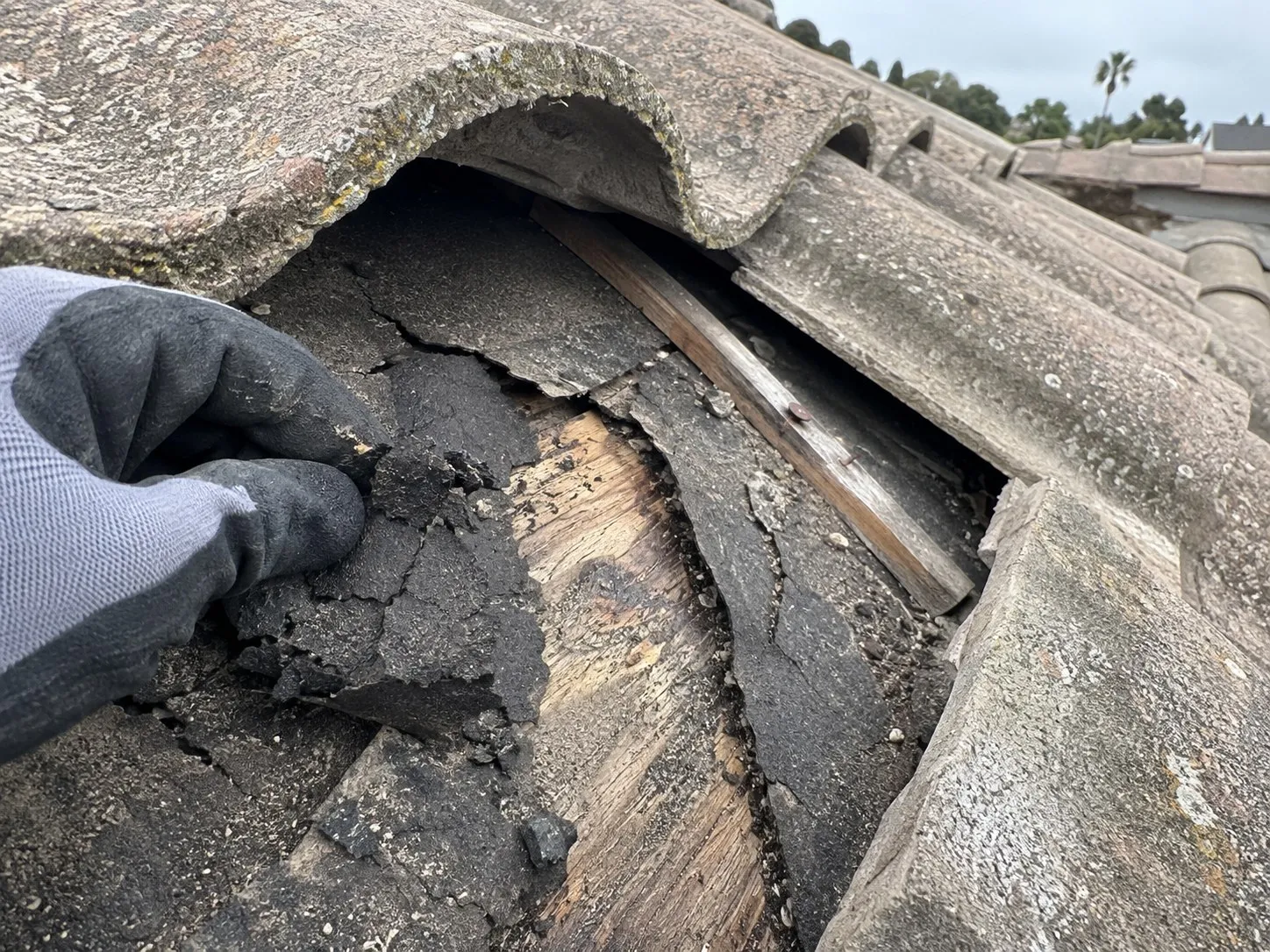
What resale offers that new construction doesn’t. An established neighborhood comes with mature landscaping, known street noise and traffic patterns, an actual sales history to study, and often a different, sometimes lower, ongoing tax structure if the home predates the special assessments common in newer master-planned communities. A resale home has also already absorbed its first years of settling and minor issues, the things a brand-new home sometimes works out over its first year or two, and a buyer can walk the actual finished landscaping and neighborhood rather than picturing it from a rendering.
The cost that follows new construction home. Newer communities in this valley are frequently inside a Mello-Roos Community Facilities District, a special tax that funds the roads, schools, and infrastructure the development itself required, and that assessment sits on top of the base property tax for the life of the bond, often decades. An HOA is also typical in a planned community, with its own monthly or annual dues on top of everything else. A resale home in an older, established part of Temecula may carry little or no CFD assessment at all. Before comparing a closeout price against a resale listing, add the real Mello-Roos and HOA figures for the specific address on each side, not a rough guess, since that gap can be the actual deciding factor between two homes that otherwise look similarly priced.
What buyers get either way. New construction in California comes with real legal protections under the state’s Right to Repair Act, which sets standards for how construction defects are handled, and most builders layer their own limited warranty on top of that. A resale home has no builder warranty at all unless the seller purchased a third-party home warranty as part of the sale, which is a very different, narrower kind of coverage.
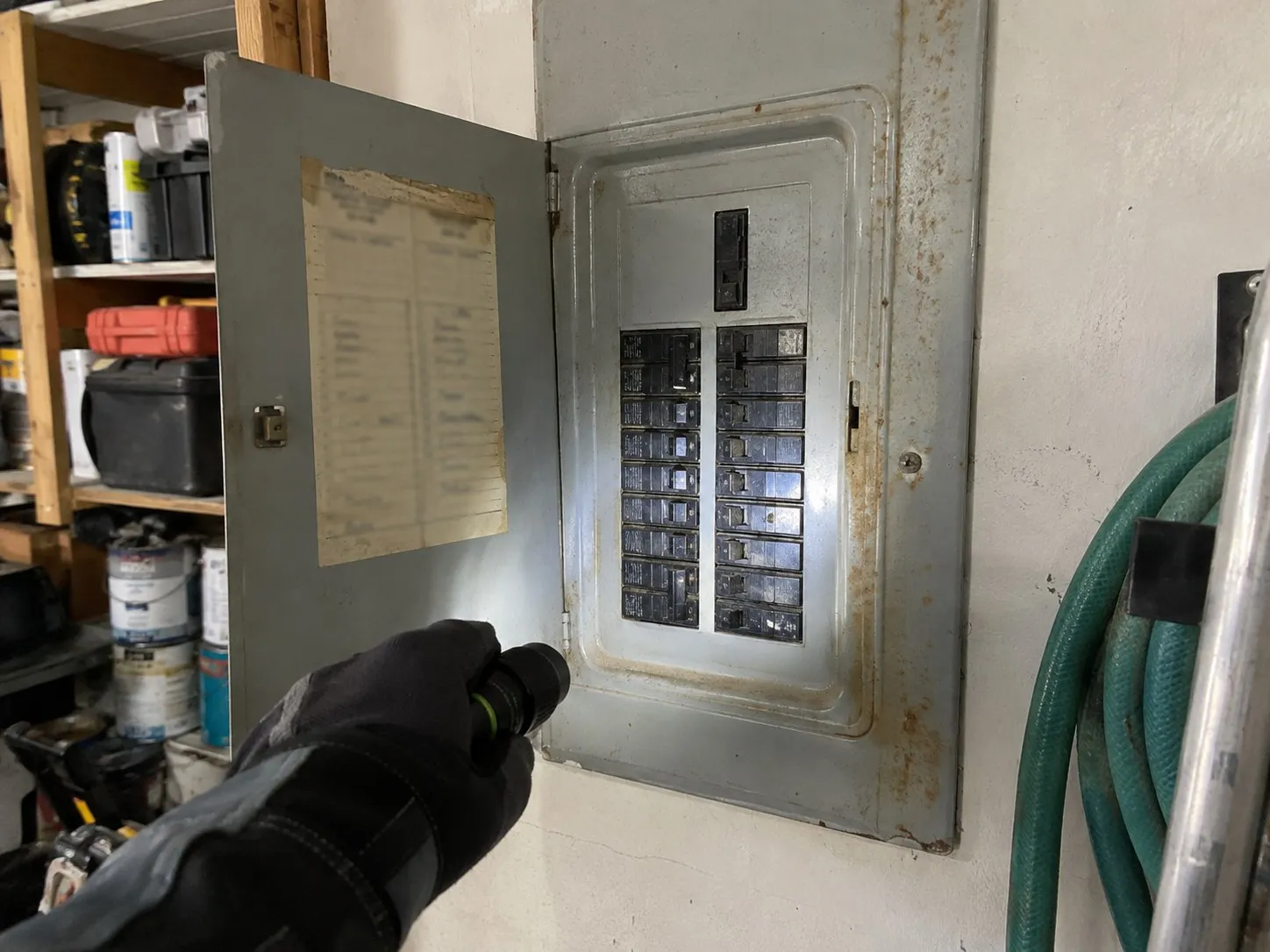
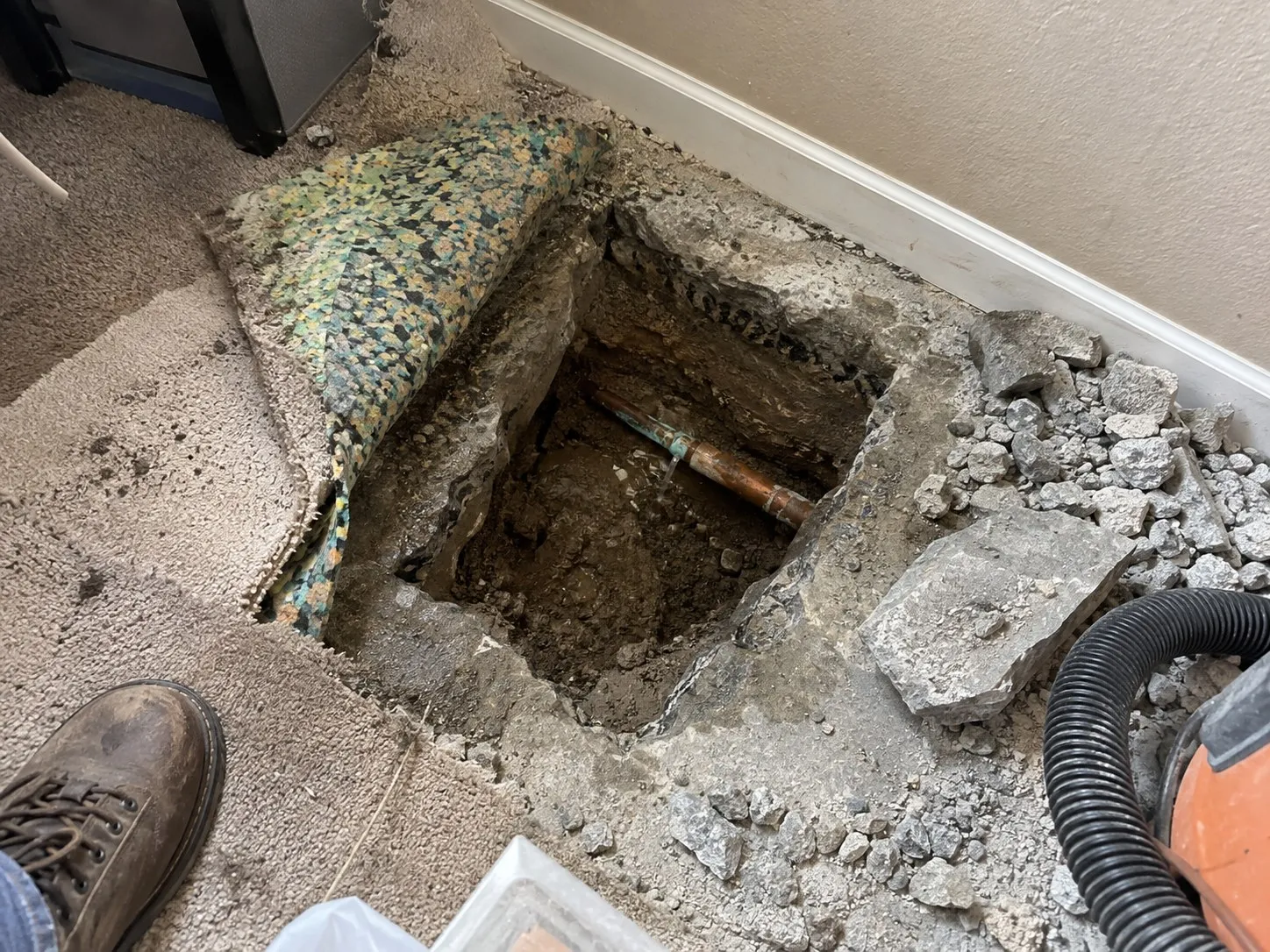
How to actually decide. Run the real numbers on both paths for a specific pair of homes: the closeout’s incentive package translated into an actual monthly payment, against the resale home’s asking price, taxes, and any deferred maintenance an inspection turns up. A rate buydown that saves real money for two years is not automatically better or worse than a resale home with no Mello-Roos and mature trees, it depends on how long you plan to stay, what you can actually put down, and what condition the resale home is really in once you’ve had it professionally inspected rather than just walked through.
Common questions
What is a phase closeout?
Master-planned communities are built in phases, groups of homes released and sold together before the builder opens the next section. A closeout is the tail end of a phase, the last handful of homes in that release, and builders often price and incentivize those differently than they did the first homes in the phase.
Are builder incentives the same as a price cut?
Not always. A builder protects the comparable sales record for the community by holding the sticker price and instead offering incentives, a rate buydown, closing cost credit, or design-center allowance, that don't show up as a lower recorded sale price the way a straight price cut would.
Do new construction homes come with a warranty?
Yes. California's Right to Repair Act (Civil Code sections 895 through 945.5) sets standards for new home construction and gives buyers a process for addressing certain defects. Builders also typically provide their own limited warranty on top of what state law requires; ask for the specific warranty document before you close.