



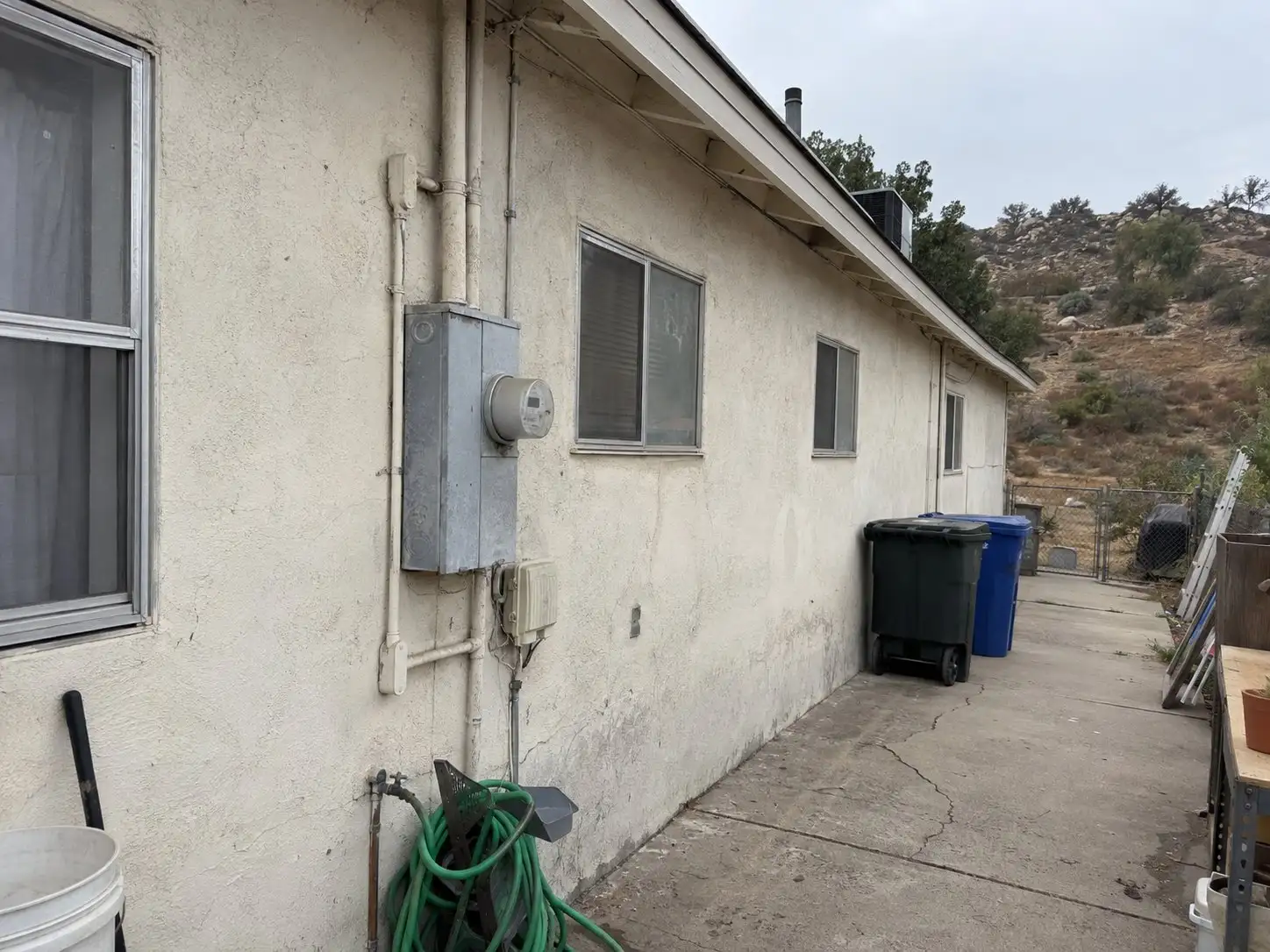
Most El Cajon homes were built before 2000, which means most of them have systems that are decades old. That is not a defect. It is simply the reason a buyer’s home inspection on an El Cajon house tends to have a familiar list of items, and the reason sellers do better when they know that list first.
This guide walks through the era-specific items an inspector commonly checks in homes from the 1950s through the 1990s, and what buyers and sellers can do about each one. It describes typical inspection topics, not the condition of any street or neighborhood. Every house is its own case.
How old is El Cajon’s housing?
Most of it predates 2000, and the numbers are not close. The U.S. Census Bureau’s American Community Survey table on year structure built (table B25034, 2024 one-year estimates, republished by Census Reporter) counts about 33,300 housing units in the city. Roughly 29,600 of those were built in 1999 or earlier.
The 1970s is the largest single decade, with about 11,000 units. The 1960s and the 1950s each account for a little over 5,000. Only a few thousand units were built in the 2000s, 2010s and 2020s combined.
So when you buy or sell in El Cajon, the working assumption should be an older house: original or partly updated systems, past owners who made changes, and a buyer’s inspector who reads the report with that in mind.
Is aluminum branch wiring a concern in 1960s and 1970s homes?
It can be, in homes wired during one specific window. The U.S. Consumer Product Safety Commission’s Publication 516, Repairing Aluminum Wiring, says a copper shortage in the mid 1960s led builders to use aluminum wire on general purpose 15 and 20 ampere circuits. It says homes built before 1965 are unlikely to have aluminum branch circuit wiring, and that cable installed between 1965 and the mid 1970s in new homes, additions and rewired circuits may contain it.
The CPSC notes that failing aluminum connections seldom give easy warning signs. The publication lists hot cover plates, flickering lights, dead circuits and a burning plastic smell at outlets as reasons to call an electrician.
If you are selling, find out before a buyer does. Look at the printed markings on cable jackets in the attic or garage, or ask an electrician to check. The CPSC says complete replacement with copper is the best method but is often impractical, and it approves only a short list of permanent repair methods, all of which it recommends leaving to a qualified electrician. If you are buying, an inspector who sees aluminum wiring will usually recommend an electrician’s evaluation, and that is a fair item to raise during your contingency period.
What about older electrical panels?
Inspectors look at the panel itself, its labeling, its condition and its brand. Panels from this era can be original to the house, and some brands have a documented history that buyers and insurers ask about.
The best-known example is the Federal Pacific panel. Our guide on selling a home with a Federal Pacific panel explains what inspectors say about it and what your options are. The general approach applies to any older panel: have a licensed electrician look at it, get the finding in writing, and decide whether to replace before listing or let the buyer negotiate it.
Does galvanized water piping matter?
Inspectors check the type of supply pipe they can see, and galvanized steel is one of the materials they look for in older houses. They also note the condition of visible pipe, fittings and shutoff valves, and they run water at fixtures to observe pressure and flow.
You cannot judge pipes inside walls by looking at them. If a report flags galvanized supply lines, the sensible next step is a plumber’s written evaluation of what is there and what replacement would involve, so both sides negotiate from a real scope instead of a guess. Sellers can order that evaluation before listing.
What should you know about sewer laterals?
The lateral is the line that carries waste from the house to the public sewer, and in older homes it may be cast iron or clay. A standard home inspection generally cannot see inside it. Buyers who want to know can hire a plumber to run a camera through the line, and that is usually a separate add-on to the inspection.
We could not confirm a point-of-sale sewer lateral requirement in the City of El Cajon’s published code, so we are not stating one. Before you list or remove contingencies, ask the city’s Public Works or Building department, and ask your escrow officer, whether anything applies to your property. A camera inspection is a reasonable choice for either side of the deal either way, because a lateral problem is easier to price before closing than after.
How do older roofs come up in an inspection?
An inspector reports the roof covering’s type, visible wear and any signs of past or active leaks, and often recommends a roofer’s evaluation when the covering looks near the end of its life. On a home that is decades old, the roof may have been replaced once or more, or not at all.
Sellers can head off the surprise with a roofer’s written evaluation and the paperwork from any past roof job. Buyers should ask how old the roof is, whether the work was permitted, and what the roofer found. A written statement that a roof still has service life is a useful document for either side.
What about additions and other unpermitted work?
Older houses have had decades for owners to add rooms, convert garages, enclose patios or move walls. Inspectors do not pull permit records, but they do notice things that look like later work: a room with different construction, odd rooflines, or an electrical panel that does not match the house.
If you are selling, check your permit history before you list. If you know about work that was done without a permit, California disclosure rules apply, and our guide on unpermitted work and disclosure in California covers what that means and how sellers handle it. If you are buying, ask for the permit history early and treat a converted space as an open question until the paperwork says otherwise.
What should sellers and buyers do first?
Sellers should find out what an inspector will find. A pre-listing inspection puts the wiring, panel, plumbing and roof observations in your hands before a buyer sees them, so you can repair, document or price each item on your own schedule.
Buyers should read the report by era. For a 1960s or 1970s house, ask specifically about the wiring type and the panel. For any older house, ask whether the sewer line was scoped, what the supply pipes are made of, and how old the roof is. Then use the contingency period to get the written evaluations you need before you remove it.
Zarko Maletin, the Realtor behind Insider Realty, is also an InterNACHI certified home inspector, which is why this article stays close to what inspections actually cover.
The short version
Most of El Cajon’s homes date from before 2000, so an older-home inspection list is the normal case. The items to expect are aluminum branch wiring in homes wired from about 1965 into the mid 1970s, older panels, galvanized supply pipe, aging sewer laterals and roofs, and additions with no permit on file. Sellers can learn all of it first, and buyers can turn each finding into a written evaluation before contingencies come off.
If you are thinking about selling an older El Cajon home, the home value tool is a starting point before a conversation about your specific house.
Common questions
How old are most homes in El Cajon?
Most were built before 2000. The U.S. Census Bureau's American Community Survey counts about 33,300 housing units in El Cajon, and roughly 29,600 of them were built in 1999 or earlier. The 1970s is the single largest decade, followed by the 1960s and the 1950s.
How do I know if a house has aluminum branch wiring?
The U.S. Consumer Product Safety Commission says the cable jacket is marked "Al" or "Aluminum" every few feet, visible in an attic, garage or unfinished basement. If you cannot tell, a qualified electrician can make the determination.
Does El Cajon require a sewer lateral inspection when a house is sold?
We could not confirm a point-of-sale sewer lateral requirement in the City of El Cajon's published code, so we do not state one. Ask the city's Public Works or Building department directly, and ask your escrow officer, before you rely on either answer.
Should a seller repair everything an inspector might flag?
Not necessarily. The useful step is to learn what a buyer's inspector will likely say, then decide item by item whether to repair, get a written evaluation, or price the home with the item disclosed.
