



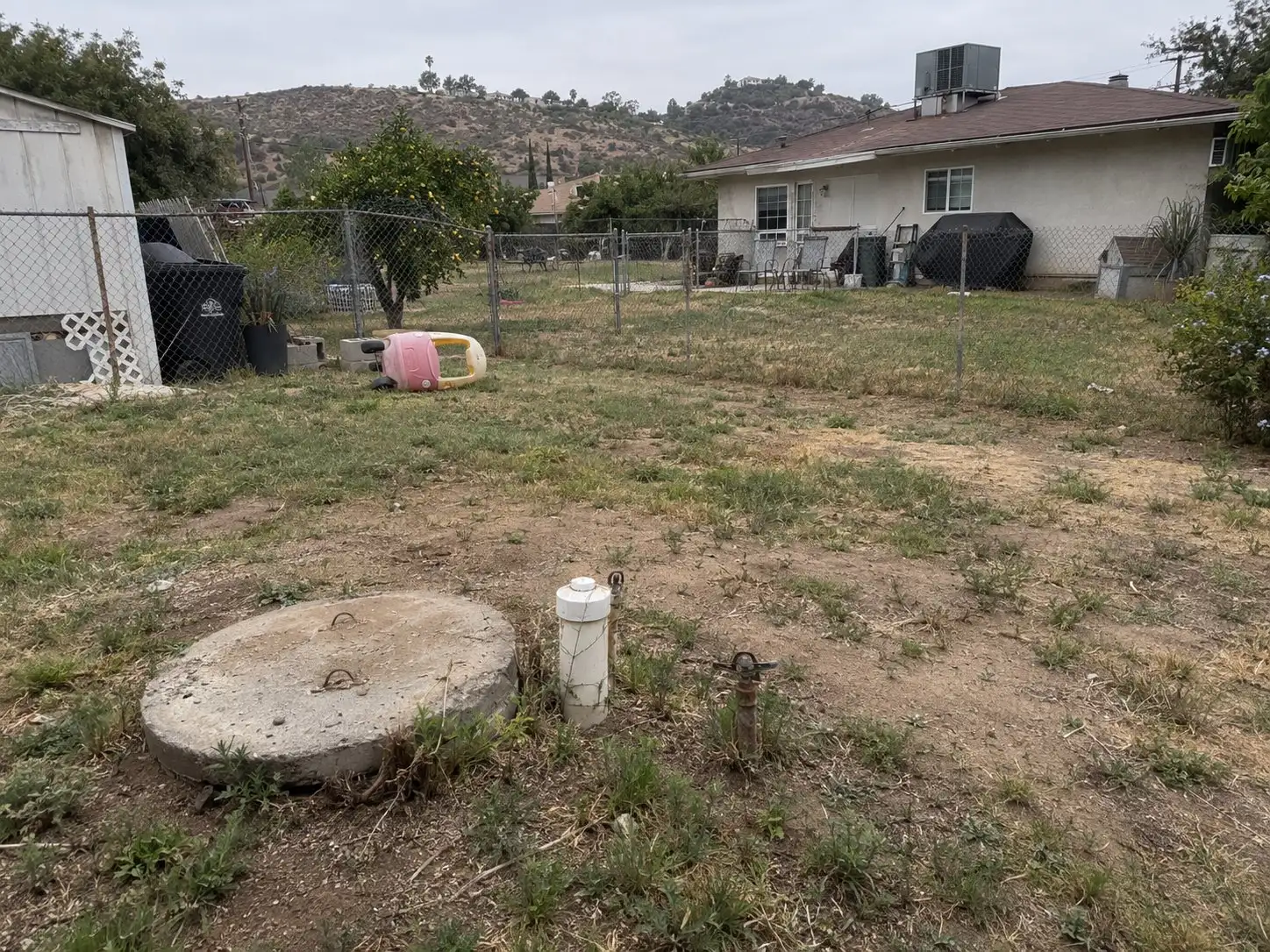
If the home you are selling or buying in Spring Valley is not on a sewer line, the septic system is the part of the property that no city hall oversees. Spring Valley is an unincorporated community, so the County of San Diego handles it, and the first job in any transaction is to find out what the County has on file.
For the septic questions that come up in any California sale, the Lakeside septic article is a good companion, since Lakeside is another unincorporated San Diego County community.
Who regulates septic systems in Spring Valley?
The County of San Diego does, through the Land and Water Quality Division of its Department of Environmental Health and Quality. The County’s septic systems page lists the services that division provides: design review of new systems, design review of repairs and modifications to existing systems, installation inspections, design records for properties using these systems, and response to complaints about failing ones.
The County’s design criteria document, dated March 2010, adds the state backdrop. It explains that septic systems discharge to groundwater and fall under the State Water Code, and that the regional water board authorizes the County to issue certain permits. It also says no city within San Diego County is authorized to issue these permits. For a Spring Valley owner there is no city layer, only the County and the state rules it works under.
That document is more than fifteen years old. Treat it as background on how the permit process works, not as the current rulebook. Current standards sit in the County’s Local Agency Management Program, covered below.
Is every Spring Valley home on a septic system?
No. The County’s septic page says septic regulation exists to provide safe wastewater treatment for properties not served by a sewer system, which tells you plenty of properties are served by sewer instead.
On the sewer side, the County’s Public Works page for the San Diego County Sanitation District lists Spring Valley among the unincorporated communities in the district, alongside Alpine, Campo, East Otay Mesa, Julian, Lakeside, Pine Valley and Winter Gardens. That page does not say which streets or parcels in Spring Valley are connected, and it should not be read as saying every parcel is.
So the answer is parcel by parcel. A listing may not say whether a home is on septic, and neighbors on the same street can differ. Ask the County and the district whether a sewer connection exists for the specific address.
Does the County require anything when a septic home sells?
The County pages reviewed for this article do not describe any inspection, permit transfer or certification that a sale triggers. Some jurisdictions elsewhere do impose one. For comparison, the Malibu septic article covers a city where the sale itself is a permit event.
Not finding a sale requirement on a page is different from confirming there is none. Ask the Land and Water Quality Division whether anything attaches to a change of ownership for the address, and get the answer in writing if the transaction depends on it.
Separate from any County rule, California sellers have disclosure duties. Known septic problems, repairs and pending work belong in the conversation, and the seller disclosure guide explains how the state form treats known defects.
How do you find out what is on record for the system?
Start with the County’s online records. The septic systems page says Land Use Program records, including septic and graywater systems, boundary adjustments, maps and discretionary projects submitted directly to the department, are now available through the Environmental Health Document Library.
If the record is not there, the County says to submit a request through its Public Records Request Center and to select the DEHQ Food, Water and Housing Division, which it says gives a faster review. The page also lists a duty desk phone line and a separate septic inspection line for questions.
Hope to find the approved design, any repair authorizations and any final inspection sign-off. A sparse file is a reason to schedule a professional inspection and ask the County what else exists.
What the County’s rules say about bedrooms and additions
The design criteria document says the size of a conventional system depends on soil permeability, the distance from the disposal area down to groundwater, peak daily flow, and the usable land area that meets setback requirements. It says the number of bedrooms is often used as the indicator of peak daily flow.
It also describes how the County counts bedrooms. In that 2010 document, dens, libraries, sewing rooms and similar rooms may be counted as bedrooms unless the entrance wall is largely open, and a closet is not what decides it. Second dwellings are treated differently from an extra bedroom, because each can have its own kitchen and laundry.
For a buyer, this matters when a home has been remodeled. A converted garage, a closed-in den or an added unit can change the wastewater load on a system sized for the original floor plan. The ADU rules article covers the building side, and the County’s septic page lists Senate Bill 9 and second dwelling guidance. Ask the County what it requires for any addition, and see unpermitted work disclosure if a conversion has no permit history.
What the Local Agency Management Program and the state policy add
The state’s onsite wastewater treatment system policy is the statewide framework. The State Water Board’s page says it was adopted in June 2012, renewed in April 2018 and again in April 2023, with the current version approved by the Office of Administrative Law on September 26, 2023.
The County runs under a Local Agency Management Program, often shortened to LAMP. According to the County, the LAMP provides alternative standards from the state policy and must still achieve the same water quality and public health protections. The County lists a final 2025 LAMP effective February 1, 2025, adopted under Resolution R9-2024-0130, with an earlier 2015 version also posted.
The County’s page also lists the types of systems it is currently approving. It names conventional systems and supplemental treatment systems, and notes that supplemental treatment needs percolation testing and a design from a licensed onsite wastewater professional. It lists a separate Standard Operating and Maintenance Plan, a pumping checklist and a septic tank destruction guidance document among its resources. What those documents require of a particular owner is something to ask the County, since this article did not review their contents.
What a buyer’s septic inspection can and cannot tell you
A septic inspection by a licensed professional is the buyer’s way of learning the condition of the system today. The County keeps lists of qualified professionals and service providers, and a buyer can ask the County which kind of professional it recommends for an evaluation of an existing system.
An inspection reports what is visible and testable on the day. It cannot rewrite history. It will not tell you what the County approved, which is why the record and the field evaluation belong together. When they disagree, for example a record showing three bedrooms and a house that has five rooms sleeping people, that mismatch is a negotiation topic and a County question.
Tank pumping history is also worth requesting from the seller. The County publishes a pumping checklist, and a seller who has receipts has a better story than one who does not. A pre-listing inspection gives a seller the same view a buyer’s inspector will get, before the buyer has it.
What sellers should do before listing
Sellers can remove most of the surprise with a short checklist. Confirm whether the property is on septic or sewer. Pull the County’s record and save a copy. Gather pumping receipts, repair paperwork and any permits for remodels. Have the system evaluated if you can, so a finding arrives on your schedule and not in the middle of escrow.
If the record and the house do not match, ask the County how to resolve it before listing. Describe the system in marketing only as far as the paperwork supports.
The short version
Spring Valley is unincorporated, so the County of San Diego, not a city, handles septic permits and records. Not every parcel is on septic, so confirm sewer or septic for the address. The County pages reviewed describe no sale-triggered requirement, so ask the County directly and do not assume. Pull the record from the Environmental Health Document Library, compare it to the house, and get the system evaluated.
If you are thinking about selling and want to see where your home stands first, start with the home value tool. It is a starting point before a conversation about your specific home.
Common questions
Who handles septic permits in Spring Valley?
The County of San Diego. Spring Valley is an unincorporated community, and the County's Department of Environmental Health and Quality, Land and Water Quality Division, reviews designs, inspects installations and keeps design records for properties on onsite wastewater treatment systems, according to its septic systems page.
Is every home in Spring Valley on a septic system?
No. The County's Sanitation District lists Spring Valley among the unincorporated communities it covers for sewer service, and the County describes septic regulation as applying to properties not served by a sewer system. Which service a given parcel has is a parcel question, so confirm it with the County rather than assuming from the neighborhood.
Does the County require a septic inspection when a Spring Valley home sells?
The County septic pages reviewed for this article do not describe a sale-triggered inspection or permit transfer. That is not a guarantee that none exists, so ask the County's Land and Water Quality Division directly, and have a licensed professional evaluate the system for the buyer anyway.
How do I see the County's records for a septic system?
The County says Land Use Program records, including septic and graywater systems, are available online through its Environmental Health Document Library. If a record does not turn up there, the County directs requests to its Public Records Request Center, selecting the DEHQ Food, Water and Housing Division.
Can adding a bedroom affect a septic system?
It can. The County's design criteria document, dated March 2010, says the size of a system is a function of the number of bedrooms and the soil's percolation rate, and that rooms such as dens and libraries may be counted as bedrooms. Ask the County how it treats a specific addition before you rely on one.
