



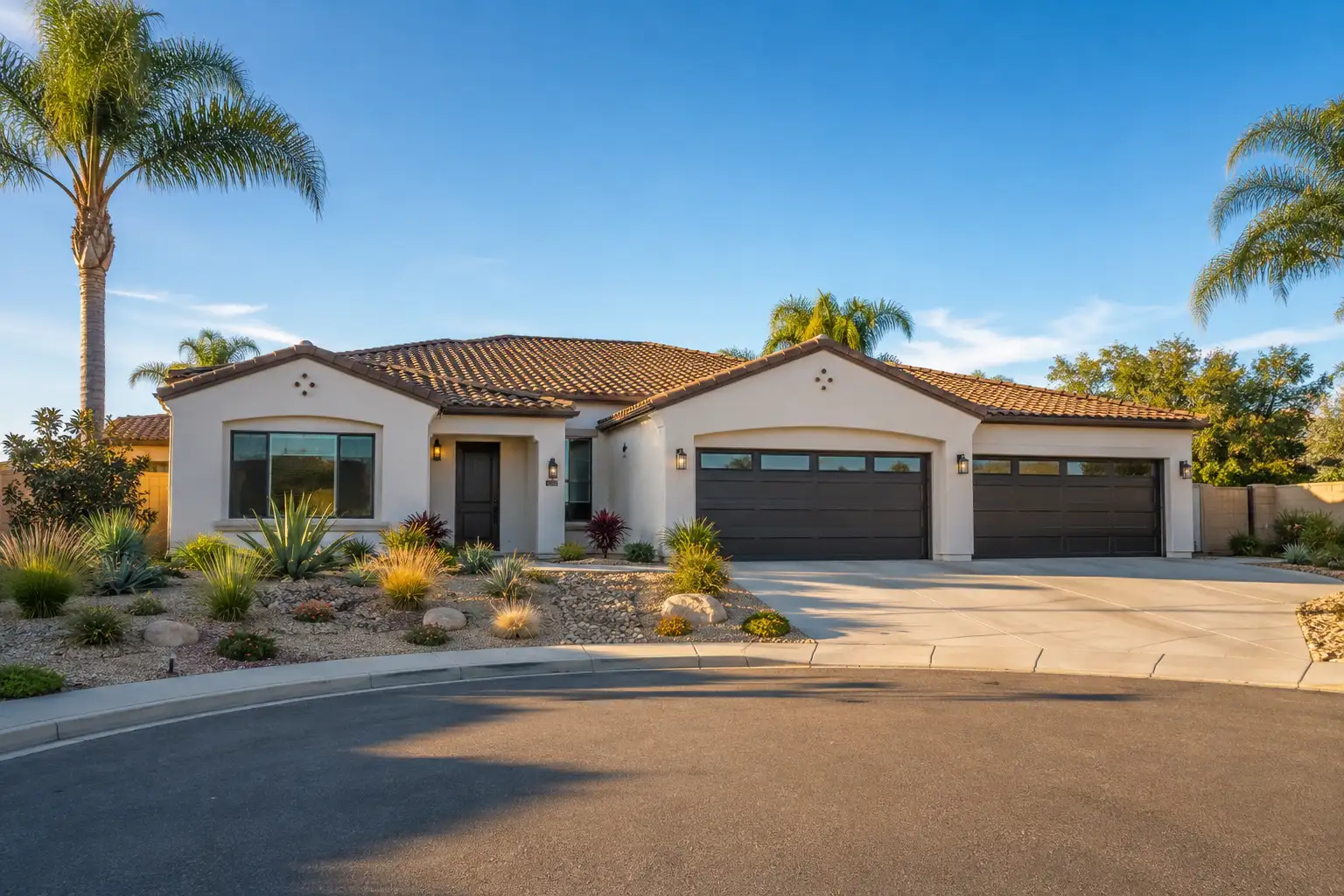
Many Aliso Viejo homes belong to the Aliso Viejo Community Association, usually called AVCA, and may also belong to a neighborhood sub-association. For a buyer, that means checking which associations apply before reviewing assessments or planning exterior changes. AVCA’s coverage isn’t the same as the city boundary. The answer for your particular home belongs in the title report and HOA documents.
This is general information and not legal advice.
What is AVCA responsible for?
AVCA is the master homeowners association responsible for common area maintenance and enforcement of its covenants, conditions and restrictions, or CC&Rs.
The City of Aliso Viejo’s explanation of its role and AVCA’s role names parks, greenbelts, parkways and slopes as association maintenance responsibilities. AVCA also enforces restrictions addressing paint colors, property maintenance and other aesthetic issues.
On its community page, AVCA describes responsibility for 21 parks and 600 acres of landscape. It says it owns most parks within Aliso Viejo and provides community events and Master Architectural Control for members.
That makes AVCA relevant to more than the appearance of the home you’re considering. Its responsibilities also extend to common areas. When you review the association documents, read them with both the property and those shared responsibilities in mind.
How is AVCA different from the city?
The city handles Building and Safety, Fire Safety, Planning, Police Protection and Public Works, while AVCA handles its association responsibilities.
Aliso Viejo is both a city and a master-planned community. That structure explains why you may need answers from two different offices about a proposed change to a home.
The city says the two organizations have distinctly different responsibilities, even though officials meet regularly. An HOA architectural application belongs with the association. Building permits are a separate city function.
For exterior changes, ask AVCA about its architectural requirements and ask the city’s Building and Safety office what permits the proposed work requires.
Will your home have more than one association?
Your home may belong to AVCA and a neighborhood sub-association, but you need to confirm that for the specific property.
AVCA describes itself as the master association for most of Aliso Viejo, plus a small portion of Laguna Hills at Laguna Hills Drive and Moulton Parkway. It doesn’t say every Aliso Viejo home is a member. Its architectural instructions also refer to sub-association approval “if applicable.”
During escrow, check the title report and HOA documents for AVCA membership and any sub-association. If both apply, read both sets of CC&Rs and budgets. Don’t stop after finding one association’s name.
The California HOA disclosure guide is a related starting point for your document review. For another association setting, you can also read about buying in Canyon Lake’s POA.
How are AVCA assessments divided?
AVCA has an Administrative Functions Common Assessment that is the same for each member and a Public Functions Common Assessment apportioned by relative property market value.
The city’s explanation is specific about the second part: it uses the ratio of each property’s market value to the market value of all properties within AVCA boundaries. Those funds are collected directly by AVCA.
That description explains the allocation method. It doesn’t give you the assessment amount for the home you’re buying. Review the property’s association documents and budgets, and direct AVCA billing questions to Powerstone Property Management at 949-535-4533.
AVCA’s About and FAQ page says all homeowners pay a regular assessment. It also describes the CC&Rs as a covenant that runs with the land and binds future owners. Unpaid assessments can lead to a lien and eventually foreclosure, according to that page. Read the payment obligations before you commit to the purchase.
What happens if you want to change the exterior?
AVCA’s published process calls for sub-association approval first, if applicable, followed by submission to its Master Architectural Committee before alterations begin.
The architectural instructions identify the documents to include:
- The AVCA Property Improvement Form.
- The Neighbor Awareness Statement.
- A copy of the sub-association’s approval letter, if applicable.
AVCA asks for an electronic copy or one physical copy of the plans. Its published turnaround time is 60 days, although it says results are generally communicated within 10 days of the committee meeting.
The committee meets on the fourth Tuesday of each month, with November and December excluded because of the holidays. Plans should be submitted before the third Tuesday of the month.
Say a buyer considers a home in AVCA with a neighborhood sub-association and hopes to change its exterior paint color. Before counting on that change, the buyer would review both associations’ restrictions and ask about approval requirements. The owner would obtain sub-association approval first, then submit the plans, required forms and approval letter to AVCA’s Master Architectural Committee before starting alterations. With a published turnaround time of 60 days, the owner would plan around the review process and ask city Building and Safety separately whether the proposed work requires a permit.
If a change matters to your purchase decision, ask about it before building your plans around an approval. Architectural questions go to 949-243-7750. The office is at 130 Vantis Dr., Suite 110, Aliso Viejo. Any required city permit remains a separate step.
For related reading, see Arcadia HOA architectural review.
How do owners participate in AVCA decisions?
Members elect a district delegate who votes on their behalf in AVCA director elections and certain other legally required matters.
The delegates page says each residential, apartment or commercial development within AVCA is a Delegate District. Members in each district elect their delegate.
That delegate votes annually in the election of AVCA directors and on other specific items legally required to go to delegates. The role does not include AVCA’s day-to-day business items.
For a buyer, the practical question is which Delegate District includes the home. Ask AVCA to identify it and explain how members participate in its delegate election. Keep governance questions separate from architectural and billing questions: the published delegate role concerns particular votes, rather than daily association business.
The short version
AVCA membership can affect your assessment obligations, exterior changes and participation in association elections, so confirm the home’s membership during escrow.
Start with the title report and HOA documents. If a neighborhood sub-association also applies, read its CC&Rs and budget alongside AVCA’s. For planned alterations, follow the applicable sub-association process, then AVCA’s Master Architectural Committee process. Any required city permit is a separate step.
Use the named offices for specific answers: AVCA architectural questions at 949-243-7750, Powerstone billing questions at 949-535-4533, and city Building and Safety for permit questions.
For a separate look at a property’s value, use the home value tool.
Common questions
Does every Aliso Viejo home belong to AVCA?
No. AVCA describes its coverage as most of Aliso Viejo. Check the title report and HOA documents to confirm membership for the specific home and whether a neighborhood sub-association also applies.
Do all AVCA members pay the same assessment?
Each member pays the same Administrative Functions Common Assessment. The Public Functions Common Assessment is apportioned using each property's market value relative to all properties within AVCA boundaries.
Who approves exterior changes?
AVCA's published process calls for sub-association approval first, if applicable, followed by submission to its Master Architectural Committee before alterations begin. Any city permit is a separate step.
Who handles AVCA billing questions?
AVCA identifies Powerstone Property Management as its management company. Call 949-535-4533 with billing questions.
