


A manufactured home in one of Oceanside’s 55+ communities sells under a completely different rulebook than a regular house on a regular lot. The home is yours. The land under it usually isn’t. And several of the steps that would be automatic in a normal sale, title, financing, even who’s allowed to represent you, work differently here.
The questions that trip sellers up are rarely about the home itself. They’re about paperwork most agents outside this niche never touch. Here’s what actually matters if you’re getting ready to sell.
Title and registration have to be current before you list
Your manufactured home has its own title and registration through the state, separate from any paperwork on the land. The California Department of Housing and Community Development, not the county recorder, is who tracks ownership, and it issues decal numbers the way the DMV issues license plates for a car. If you’re not sure your title is clean, that’s the first thing to check, not the last.
To transfer ownership, HCD wants the original Certificate of Title signed by every owner listed on it, plus the last registration card or a duplicate application if it’s lost. If your home is still titled to a trust, a former spouse, or a relative who passed the home to you informally years ago, sort that out before you have a buyer waiting. A title problem discovered mid-escrow can stall the whole sale.
If a permanent foundation certification, an HCD form called a 433A, was ever recorded on your home, it may have converted the home from personal property into real property tied to the land. That changes how it’s titled and how a buyer can finance it, which is worth confirming with HCD or a title company before you set a price.
The park approves your buyer, not you
You can agree to a price, sign a contract, and still not have a done deal, because the park gets a say in who lives there next. Under Civil Code section 798.74, management can require prior approval of anyone buying a home that’s staying in the space, and it has 15 days to hand you and your buyer the standards it uses, including a minimum credit score if it has one, and a list of what documentation it needs.
That approval runs on its own track from your sale. Build the timeline for it into your listing plan, and get your buyer applying to the park the moment you’re in contract rather than waiting for close. The one thing the park generally cannot do is force the home off the space just because it sold. Section 798.73 blocks management from requiring removal on a sale to a third party during your rental term or in the 60 days after you’ve given notice.
You can still list and show the home yourself
The park cannot require you to use its preferred broker or dealer as a condition of approving the sale or the buyer, and it cannot stop you from listing the home yourself. That’s spelled out in Civil Code section 798.71. Management can ask for written notice once your home is for sale, and it’s worth giving it, since that notice is what starts the approval clock running for your buyer. If you’re planning the move out as part of a downsize, the downsizing guide covers the parts of that move worth planning early, even though it’s written from a different city.
The space rent your buyer inherits isn’t yours to promise
Your buyer takes over your space rent and your rental agreement with the park, not a fresh negotiation. What that rent will be and how it can move is governed by the park’s rental agreement and, in Oceanside, by the city’s mobile home rent control ordinance, Chapter 16B, in place since 1985. Oceanside voters were asked in 2012 whether to let rent jump to market rate every time a space changes hands, and they said no.
I wouldn’t treat that as settled forever, though. Park owners and residents have kept pushing on this at the city level since, and rules like this can shift. Before you put a number on the listing, pull the current rent and any pending increase notice from the park, and if anything about the ordinance’s status seems unclear, the City of Oceanside can confirm it directly.
Pre-1976 and HUD-code homes finance differently
If your home was built before June 15, 1976, it’s technically a mobile home rather than a manufactured home, because that’s the date the federal HUD construction and safety standards took effect. That single date matters more to a buyer’s lender than almost anything about the home’s condition. Some lenders won’t finance a pre-1976 home at all, and insurers can be just as selective, so a buyer who assumes a normal loan timeline can run into a wall you didn’t cause and can’t fix.
Financing also splits on whether the home is personal property or real property. Without a recorded 433A foundation certification, the home is chattel, financed as personal property rather than as a house, and on different loan terms. With one recorded, it can qualify for the kind of mortgage used on a regular home. If you don’t know which situation you’re in, that’s worth settling before you accept an offer that assumes the wrong kind of loan.
Who can actually represent you in the sale
A licensed real estate broker can represent a manufactured or mobilehome sale under Business and Professions Code section 10131.6, but only once the home is registered with HCD, and a broker who regularly has two or more manufactured homes on display for sale needs a separate HCD dealer license on top of the real estate license. If an agent or a park-affiliated seller seems unclear on that distinction, ask directly. It’s a narrower lane than a standard listing agreement.
The disclosure form isn’t the standard TDS
Sellers of site-built homes in California fill out the Real Estate Transfer Disclosure Statement, but that’s not the form for this sale. Manufactured and mobilehome resales use the Manufactured Home/Mobilehome Transfer Disclosure Statement under Civil Code section 1102.6d, and delivering it isn’t optional, even in an as-is deal. If you’re used to the standard TDS from a prior sale, don’t assume it carries over. My seller disclosure guide walks through the site-built version and the reasoning behind disclosure generally, but this home needs its own form.
What the buyer’s inspector will crawl under the home to find
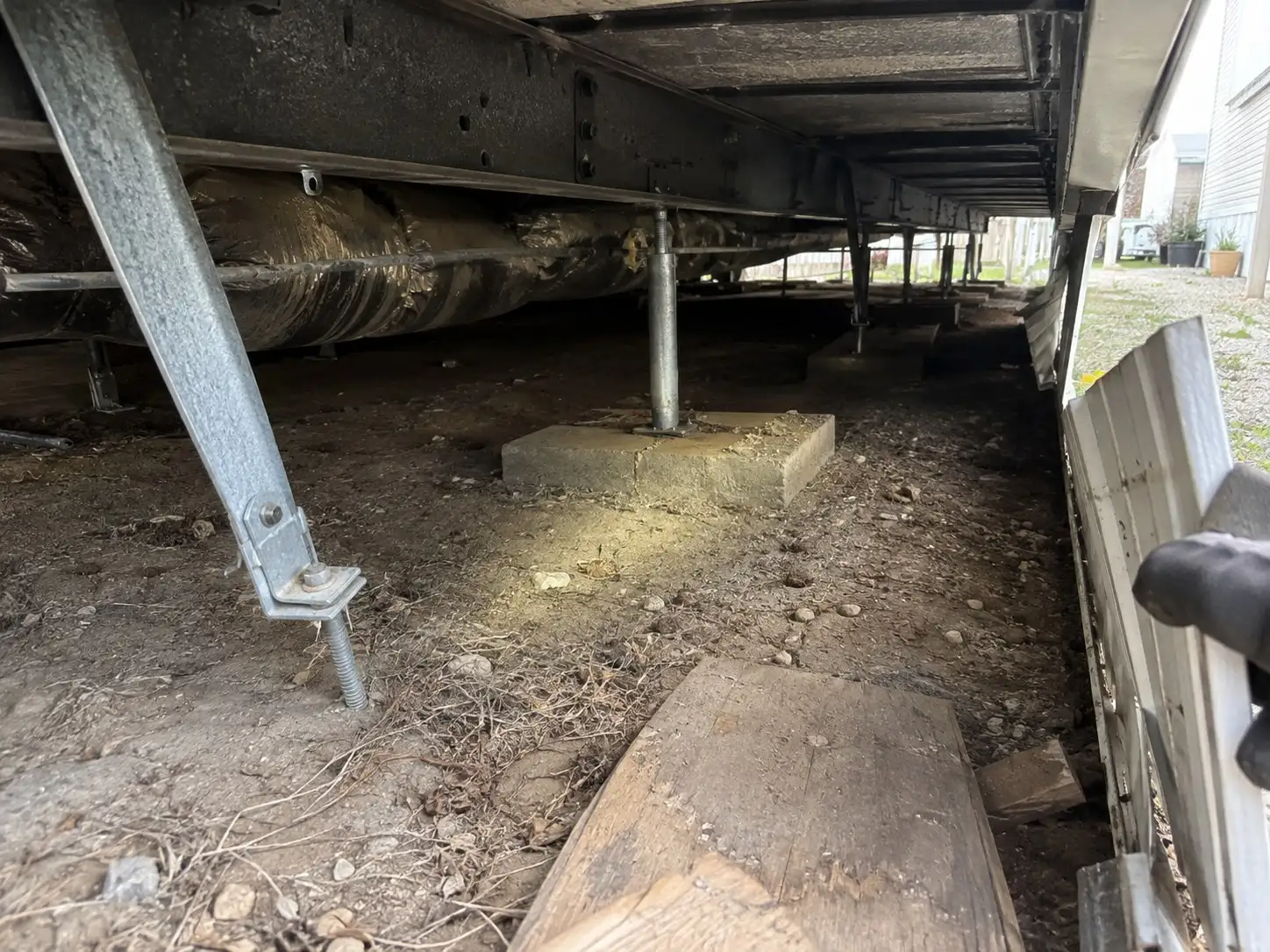
The buyer’s inspection on a manufactured home looks in places a regular home inspection doesn’t. Underneath, they’re checking the piers and the tie-down or bracing system that anchors the home in an earthquake. California requires any earthquake resistant bracing system to be HCD-certified, and if yours has never been evaluated, that’s a conversation worth having before a buyer’s inspector raises it first. My earthquake retrofit guide covers site-built bracing, but the manufactured-home version runs through HCD’s own certification program rather than a city permit desk.
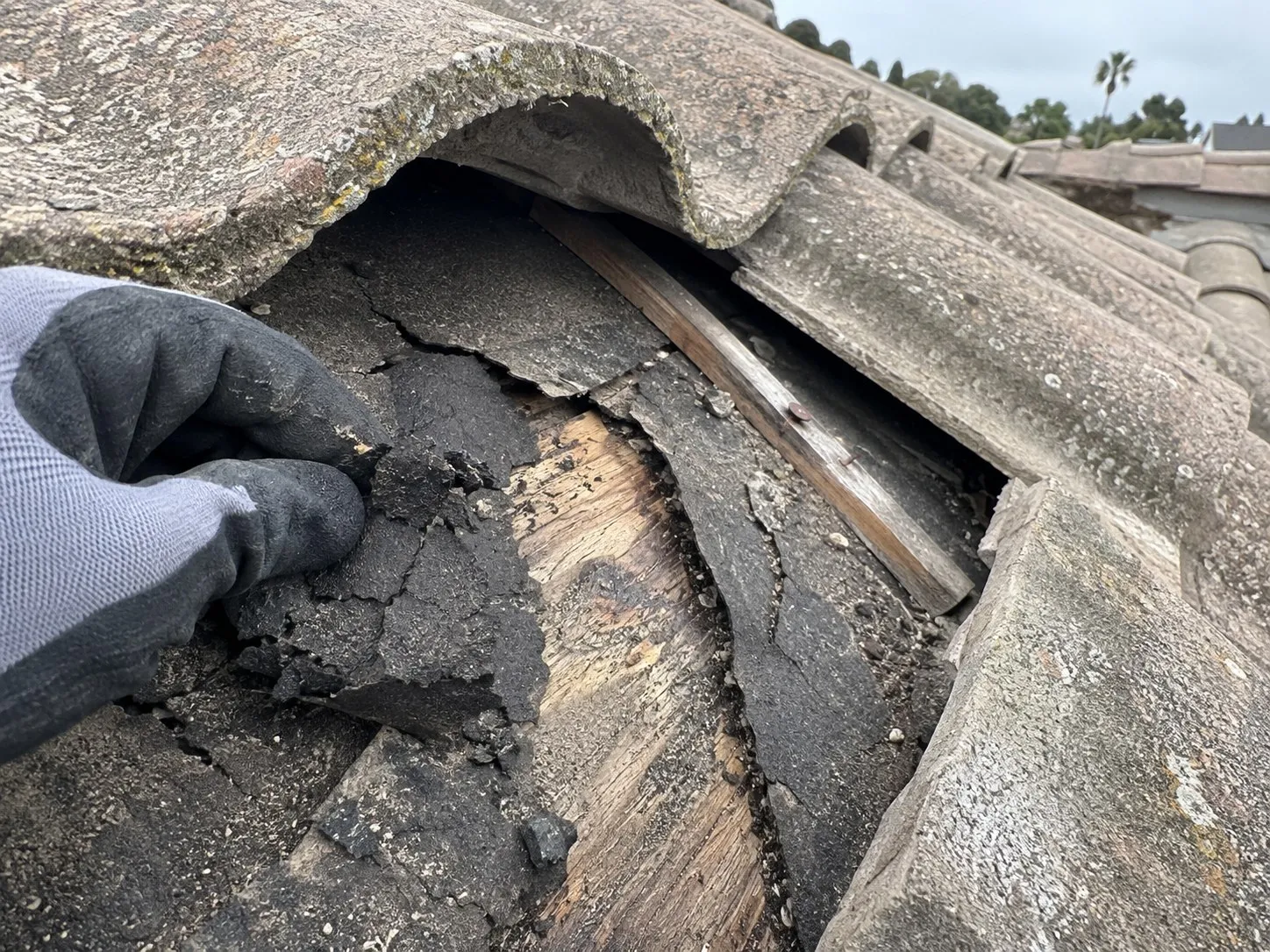
They’ll also look at the skirting for ventilation and pest access, the roof, and the plumbing that runs under the floor rather than through a slab. If you’ve added a carport, a porch, or an enclosed room since you bought the home, know which agency permitted it. HCD handles permits for structural, electrical, plumbing and mechanical work on the home itself, while the city handles permits for site-built additions like carports and decks sitting on the support system around it. Work done under the wrong permit, or no permit, is something you’d have to disclose, and it’s exactly the kind of thing an inspector’s report puts in writing. The unpermitted work guide covers what that disclosure obligation looks like once it’s on paper.
If you’d rather find all of this out on your own schedule instead of during someone else’s inspection, a pre-listing inspection puts it in front of you first.
The short version
Selling a manufactured home in an Oceanside 55+ community isn’t harder than selling a regular house, it’s just running on a different set of rules for title, approval, and financing that most sellers have never had to think about. Get the title clean, get the park’s approval process started early, and know which disclosure form you’re actually signing. If you want the home and everything around it looked at before you set a price, start with the home value tool. It’s the same eye I’d bring to your place in person.
Common questions
Does the mobile home park have to approve who buys my home?
If the home is staying in the park, yes. California Civil Code section 798.74 lets park management require prior approval of a new resident, and management has 15 days to give you and your buyer the standards it uses to approve a tenancy, including any minimum credit score. Your buyer applies to the park separately from buying the home from you.
Do I need a real estate agent to sell a manufactured home in California?
You're not required to use one, but if you do, the agent has to be a licensed real estate broker acting under Business and Professions Code section 10131.6, and your home has to be registered with HCD before they can represent the sale. A broker who regularly displays multiple manufactured homes for sale needs a separate HCD dealer license.
What disclosure form do I use to sell a manufactured home in California?
Not the standard Real Estate Transfer Disclosure Statement most home sellers use. Manufactured and mobilehome resales use the Manufactured Home/Mobilehome Transfer Disclosure Statement described in Civil Code section 1102.6d, and it cannot be waived even in an as-is sale.
Is my Oceanside space rent locked in for whoever buys my home?
Oceanside's mobile home rent control ordinance, Chapter 16B, has covered the city's parks since 1985, and voters rejected a 2012 measure that would have let rent jump to market rate whenever a space changed hands. I'd still confirm the current rent history and any pending increase with the park and the City of Oceanside before you price the sale, since park-specific terms and city policy can shift.
What happens if my home was built before 1976?
It's a mobile home rather than a manufactured home in the technical sense, since the federal HUD construction standards only took effect June 15, 1976. Some lenders and insurers treat a pre-1976 home very differently or won't take it at all, so I'd get that confirmed with a lender before you count on a normal sale timeline.